Packaging and Shipping Information: A Complete Guide for Beginners
Packaging and shipping information is important for every business that sells or sends products.
Good packaging keeps products safe. Correct shipping information helps packages reach the right address.
You do not need to be an expert to understand packaging and shipping. Anyone can learn the basic process with the right information.
This complete guide explains packaging and shipping information in simple language. You will learn about packaging types, packing materials, shipping labels, shipping methods, tracking numbers, and common shipping mistakes.
What Is Packaging?
Packaging means preparing a product for storage, transportation, and delivery.
Packaging protects the product during shipping. It also makes the product easier to handle.
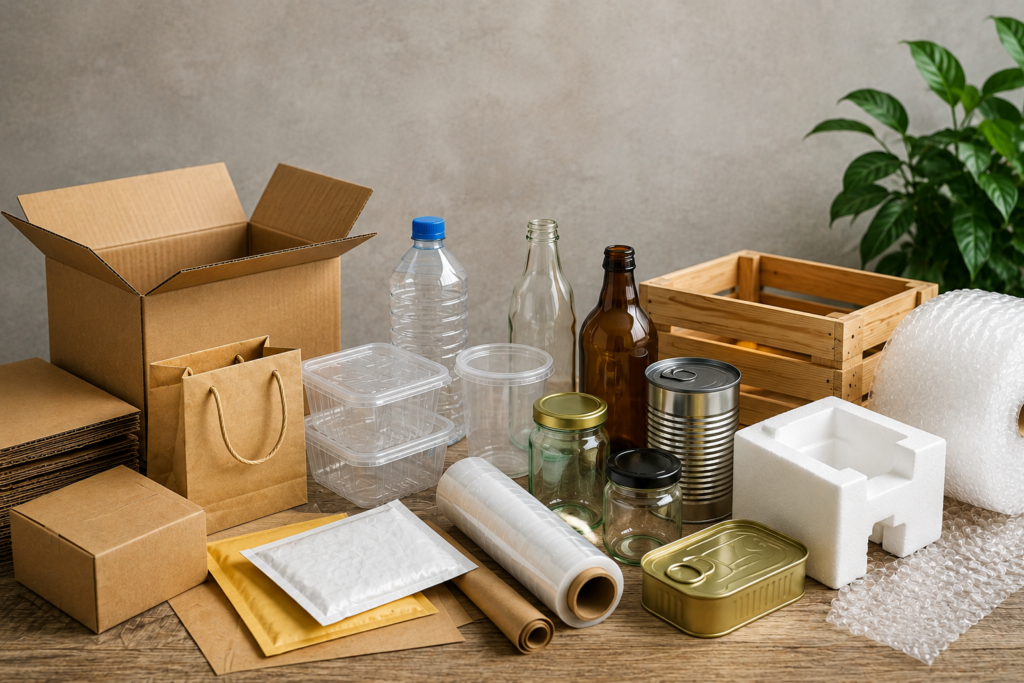
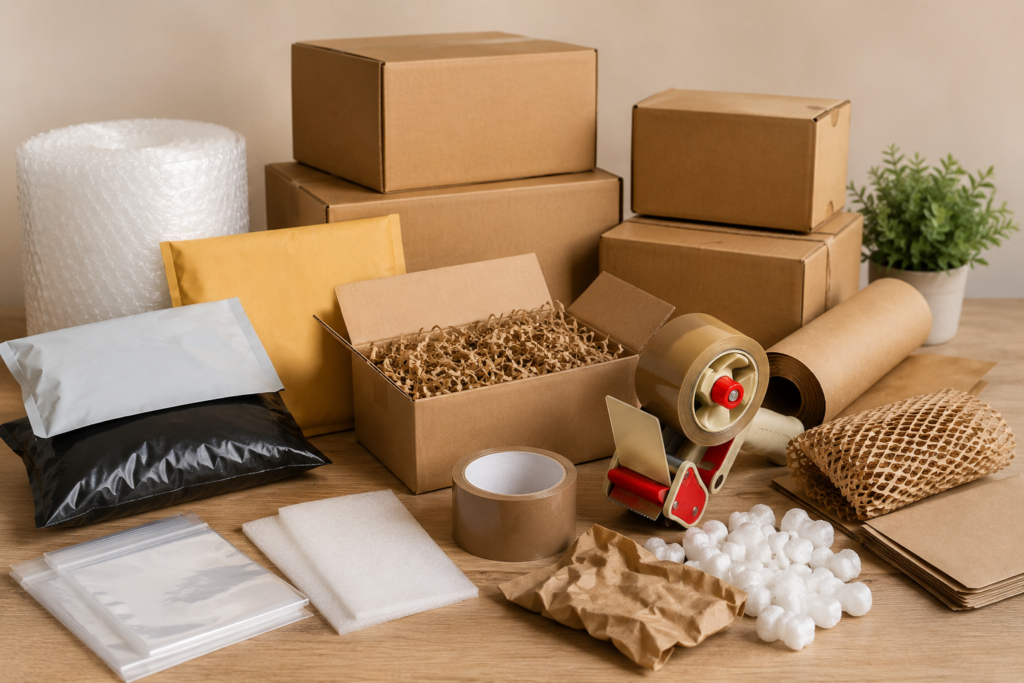
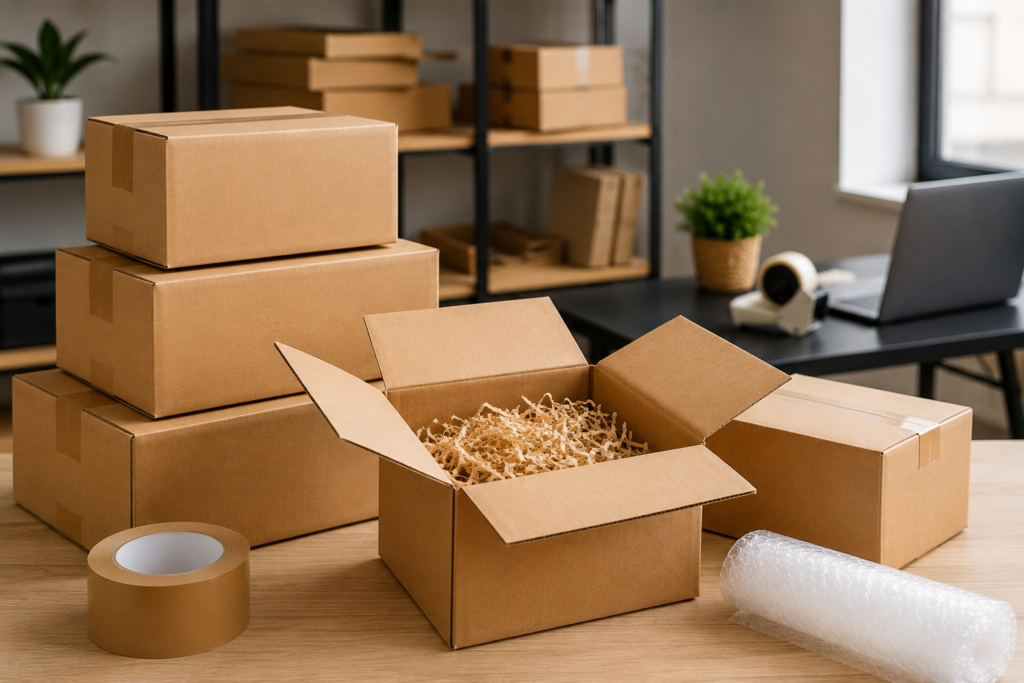
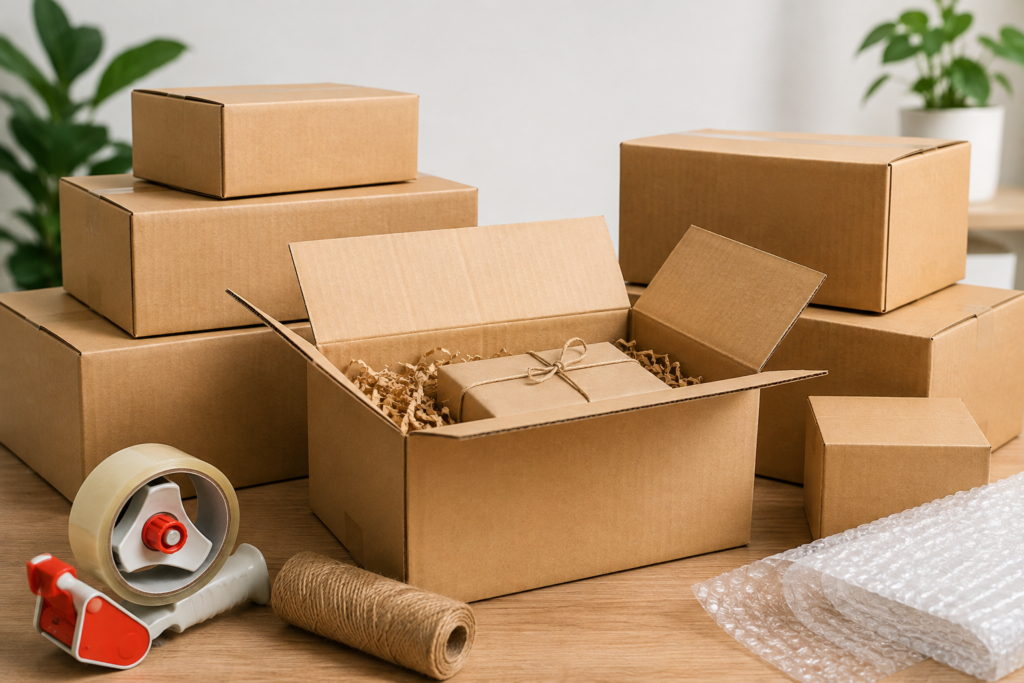
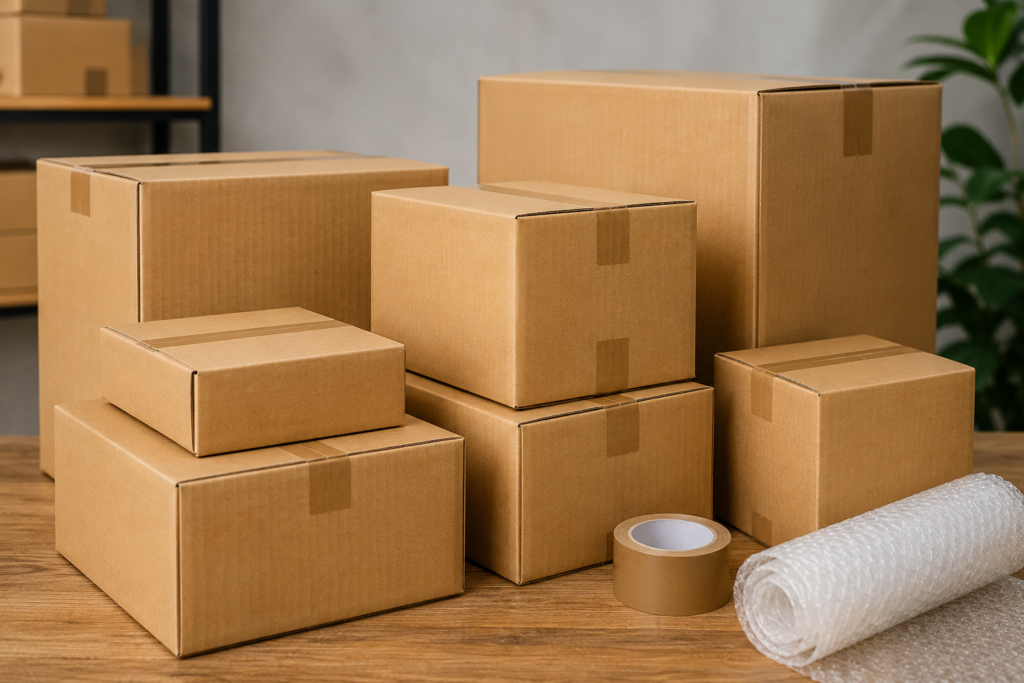
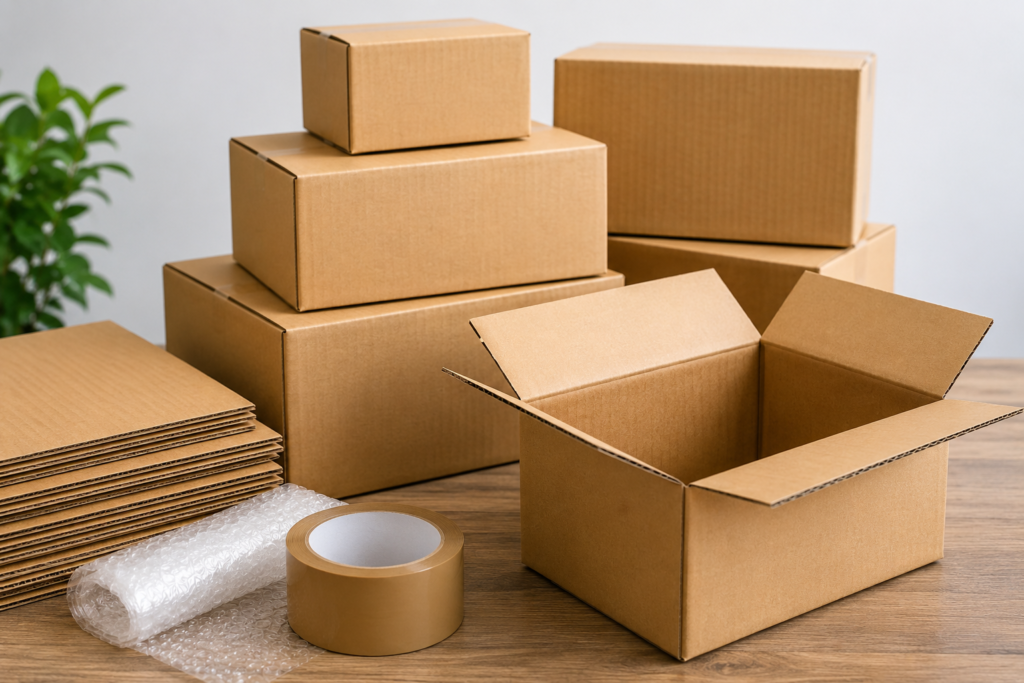
Common packaging materials include:
- Cardboard boxes
- Plastic bags
- Shipping envelopes
- Bubble wrap
- Foam
- Packing paper
- Packing tape
- Shipping labels
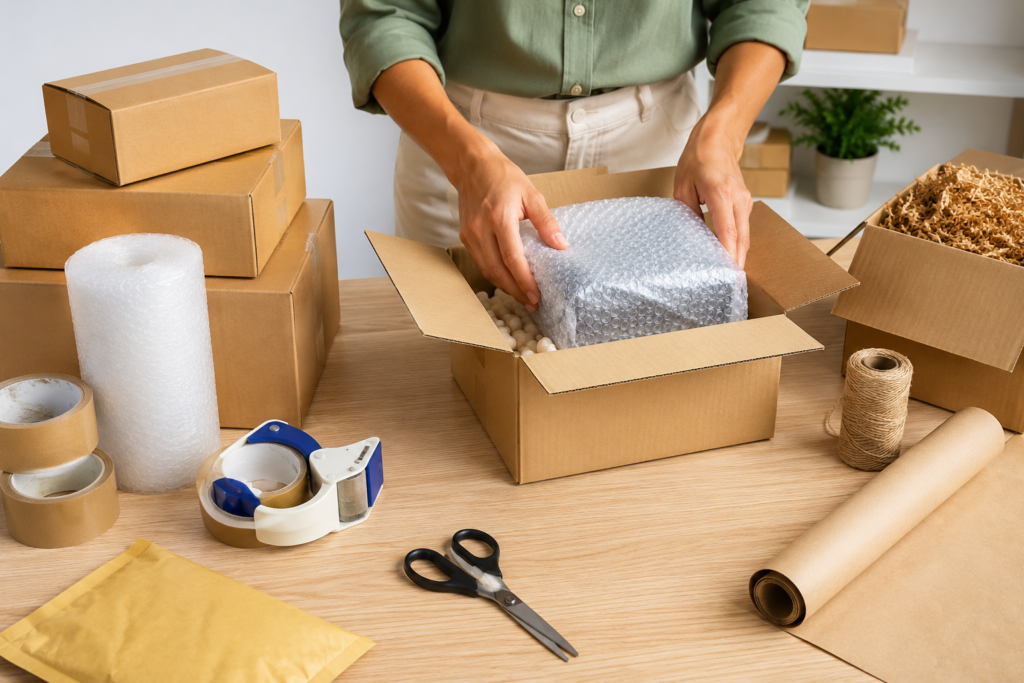
For example, you should wrap a glass product with bubble wrap before placing it inside a box.
The right packaging depends on the product.
What Is Shipping?
Shipping means sending a package from one location to another.
For example, an online store ships a product from its warehouse to a customer’s home.
Packaging and Shipping Information
The shipping process usually includes these steps:
- Prepare the product.
- Choose the right packaging.
- Pack the product safely.
- Add the shipping label.
- Choose a shipping service.
- Give the package to the courier.
- Track the package.
- Deliver the package.
Packaging protects the product. Shipping moves the product to the customer.
Both processes are important parts of packaging and shipping information.
Why Is Packaging and Shipping Information Important?
Packaging and shipping information helps businesses manage product delivery.
It also helps customers understand how their packages reach them.
1. Packaging Protects Products
Packages can face many problems during delivery.
Workers may:
- Drop packages
- Move packages
- Stack packages
- Press packages
- Expose packages to rain
Good packaging protects products from damage.
This is very important for:
- Glass items
- Electronics
- Ceramic products
- Artwork
- Furniture parts
- Other fragile products
2. Good Packaging Improves Customer Experience
Customers want to receive their orders in good condition.
A damaged product can lead to:
- Complaints
- Returns
- Refunds
- Negative reviews
Good packaging helps businesses build customer trust.
It also shows that the business cares about its customers.
3. Correct Shipping Information Prevents Delays
Couriers need correct information to deliver packages.
Incorrect information can cause:
- Delivery delays
- Wrong deliveries
- Returned packages
- Lost packages
Always check the shipping address before sending a package.
4. Good Packaging Can Save Money
Damaged products cost money.
Businesses may need to:
- Replace the product
- Pay for another shipment
- Process a refund
Good packaging reduces the risk of damage.
Main Types of Packaging
Different products need different types of packaging.
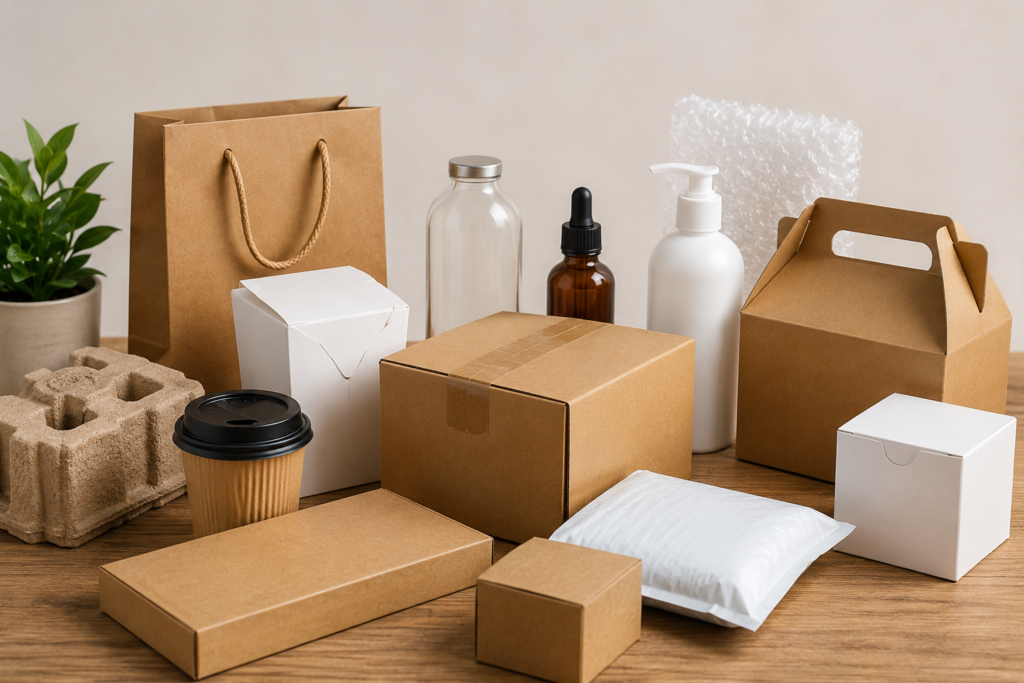
Primary Packaging
Primary packaging touches the product directly.
Examples include:
- Product bottles
- Food wrappers
- Plastic containers
- Glass jars
- Product pouches
This packaging protects the product.
It may also show product information.
Secondary Packaging
Secondary packaging protects the primary packaging.
For example, a bottle may come inside a cardboard box.
Examples include:
- Product boxes
- Cartons
- Sleeves
- Small boxes
This packaging adds extra protection.
Tertiary Packaging
Tertiary packaging helps businesses move many products at once.
Businesses use this packaging for storage and transportation.
Examples include:
- Large cartons
- Pallets
- Wooden crates
- Stretch wrap
Warehouses and large businesses often use tertiary packaging.
Common Packaging Materials
The right material can protect your product during shipping.
Cardboard Boxes
Cardboard boxes are very common.
They work well for many products.
You can use them for:
- Books
- Clothes
- Electronics
- Home products
- Small business orders
Corrugated cardboard boxes offer extra strength.
Bubble Wrap
Bubble wrap protects products from shock and impact.
It works well for:
- Glass products
- Electronics
- Decorative items
- Small fragile products
Wrap the product properly before placing it inside the box.
Packing Paper
Packing paper fills empty space inside a package.
It also provides light protection.
You can use paper for many non-fragile products.
Foam
Foam provides extra protection.
It helps protect products from:
- Scratches
- Impact
- Pressure
Use foam for delicate products.
Packaging and Shipping Information
Packing Tape
Packing tape keeps the box closed.
Use strong tape for shipping packages.
Apply the tape properly to all open areas.
Poly Mailers
Poly mailers are lightweight shipping bags.
They work well for:
- Clothes
- Soft products
- Small items
They can help reduce package weight.
Kraft Paper
Kraft paper is a popular packaging material.
Many businesses use it for simple and eco-friendly packaging.
It works well for wrapping products and filling empty spaces.
How to Choose the Right Packaging
Choose packaging based on your product.
Check the Product Size
The packaging should fit the product.
A large box gives the product too much space to move.
A small box may put too much pressure on the product.
Choose a suitable size.
Check the Product Weight
Heavy products need strong packaging.
Use a strong box for heavy items.
Weak packaging may break during shipping.
Check Product Fragility
Fragile products need extra protection.
Use bubble wrap, foam, or other protective materials.
Do not leave fragile products loose inside a box.
Consider Weather Conditions
Rain and moisture can damage some products.
Use waterproof protection when needed.
This is an important part of safe packaging and shipping information.
What Is a Shipping Label?
A shipping label shows important delivery information.
The courier uses this information to deliver the package.
A shipping label may include:
- Sender name
- Sender address
- Recipient name
- Recipient address
- City
- State
- Postal code
- Country
- Phone number
- Tracking number
- Barcode
Make sure all information is correct and easy to read.
Sender Information
Sender information shows who sent the package.
It usually includes:
- Name
- Complete address
- Phone number
Always add a return address.
The courier can return the package if delivery fails.
Recipient Information
Recipient information shows where the package should go.
Add:
- Full name
- Complete address
- House or building number
- Street name
- City
- State
- Postal code
- Country
- Phone number when required
Check the address before shipping.
Even a small mistake can cause a delivery problem.
What Is a Tracking Number?
A tracking number helps you follow a shipment.
The courier gives a unique tracking number to the package.
Customers can use it to check the delivery status.
Common tracking updates include:
- Shipment created
- Package picked up
- In transit
- Arrived at facility
- Out for delivery
- Delivered
Tracking information gives customers peace of mind.
It also helps businesses answer delivery questions.
Common Shipping Methods
Businesses can choose from different shipping methods.
Standard Shipping
Standard shipping is a common option.
It usually costs less than faster services.
It works well for regular deliveries.
Express Shipping
Express shipping delivers packages faster.
Customers can choose this option when they need quick delivery.
Express shipping usually costs more than standard shipping.
Same-Day Delivery
Same-day delivery brings the package to the customer on the same day.
This service may only be available in selected areas.
International Shipping
International shipping sends packages to another country.
This process may need extra documents.
These documents can include:
- Customs forms
- Commercial invoices
- Product details
- Product value
- Country of origin
Shipping rules can differ between countries.
Check the rules before sending an international package.
How to Pack a Product for Shipping
Follow these simple steps.
Step 1: Choose the Right Package
Choose a box, envelope, or shipping bag that fits the product.
Step 2: Protect the Product
Use bubble wrap, foam, or paper when needed.
Protect fragile products carefully.
Step 3: Put the Product Inside
Place the product inside the package.
Keep it in the correct position.
Step 4: Fill Empty Space
Use packing material to fill empty spaces.
This stops the product from moving.
Step 5: Seal the Package
Close the package with strong packing tape.
Make sure all openings stay closed.
Step 6: Add the Shipping Label
Place the label on a flat and visible area.
Make sure the label stays clear.
Step 7: Check Everything
Check the following before shipping:
- Product protection
- Package condition
- Shipping address
- Return address
- Shipping label
- Special handling instructions
Important Packaging Labels
Some packages need special labels.
Fragile
Use this label for breakable products.
This Side Up
This label shows the correct position of the package.
Handle With Care
This label tells handlers to take extra care.
Keep Dry
Use this label for products that need protection from water.
Perishable
Use this label for products that can spoil quickly.
Use the correct label for your product.
Packaging and Shipping Information for Online Businesses
Online stores depend heavily on packaging and shipping.
Customers buy products without seeing them in person.
They expect the product to arrive safely.
Online businesses should focus on:
- Strong packaging
- Correct shipping labels
- Fast order processing
- Tracking information
- Safe product delivery
- Clear return policies
Businesses can also use branded packaging.
For example, they can add:
- Company logos
- Branded boxes
- Stickers
- Thank-you cards
Good packaging can make a business look more professional.
What Is Sustainable Packaging?
Sustainable packaging helps reduce waste.
Many businesses now use eco-friendly packaging materials.
Common examples include:
- Recycled cardboard
- Kraft paper
- Reusable boxes
- Paper tape
- Compostable packaging
Sustainable packaging can reduce environmental waste.
It can also improve the image of a business.
Common Packaging and Shipping Mistakes
Beginners often make simple mistakes.
Here are some common mistakes to avoid.
Using the Wrong Box Size
A very large box gives the product too much space.
The product may move and get damaged.
A very small box can also damage the product.
Use the right size.
Using Too Little Protection
Fragile products need protection.
Do not leave them loose inside the box.
Use bubble wrap, foam, or other suitable materials.
Writing the Wrong Address
An incorrect address can delay delivery.
Check the complete address before shipping.
Using Weak Tape
Weak tape can open during transportation.
Use strong packing tape.
Forgetting the Return Address
A return address helps the courier return an undelivered package.
Always add it when possible.
Hiding the Shipping Label
The shipping label must remain visible.
Do not place it over a box opening.
Do not place it on a damaged surface.
Packaging and Shipping Checklist
Use this checklist before sending a package:
- Choose the correct packaging.
- Check the product.
- Protect fragile items.
- Fill empty spaces.
- Close the package securely.
- Add the correct sender address.
- Add the correct recipient address.
- Add the shipping label.
- Add special handling labels when needed.
- Check package size and weight.
- Save the tracking number.
- Share tracking information with the customer when needed.
Final Thoughts
Packaging and shipping information plays an important role in product delivery.
Good packaging protects products from damage.
Correct shipping information helps packages reach the right destination.
The basic process is simple.
Choose the right packaging. Protect the product. Add correct shipping information. Seal the package properly. Then choose the right shipping service.
These simple steps can help reduce damage, delays, returns, and extra costs.
Whether you send one personal package or run an online store, good packaging and shipping can improve the delivery experience.
As your business grows, you can improve your shipping process with better packaging materials, branded packaging, tracking systems, and eco-friendly solutions.
Good packaging does more than protect a product. It also helps build customer trust.