Types of Packaging Material: Complete Guide for Businesses (2026)
What Are Types of Packaging Material?
Every product needs good packaging. Packaging keeps products safe during storage and shipping. It also makes products look attractive.
Today, businesses use many types of packaging material. Each material has its own purpose. Some materials protect fragile items. Others keep food fresh or reduce shipping costs.
If you run an online store, a retail shop, or a manufacturing business, you should know about the different types of packaging material. This guide will help you choose the right one.
Why Are Types of Packaging Material Important?
Good packaging does more than protect a product. It also improves your business.
Here are the main benefits of using the right types of packaging material.
- Protect products from damage.
- Keep products clean.
- Make shipping safer.
- Improve customer experience.
- Reduce packaging costs.
- Support your brand.
- Help the environment when you use eco-friendly materials.
Every business should choose types of packaging material based on the product, budget, and shipping needs.
Different Types of Packaging Material
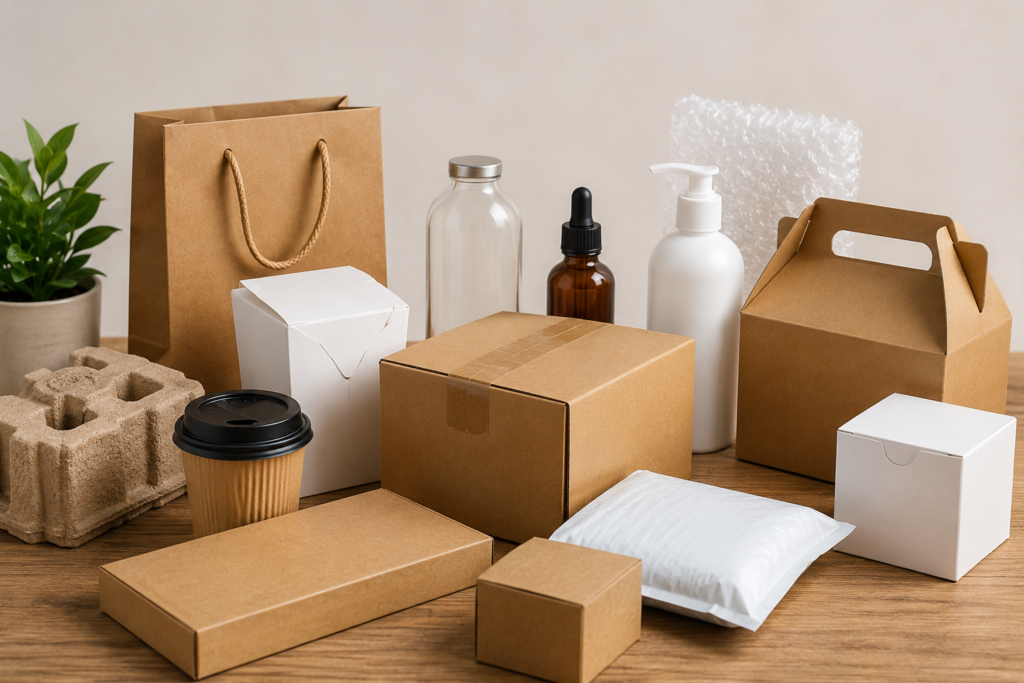
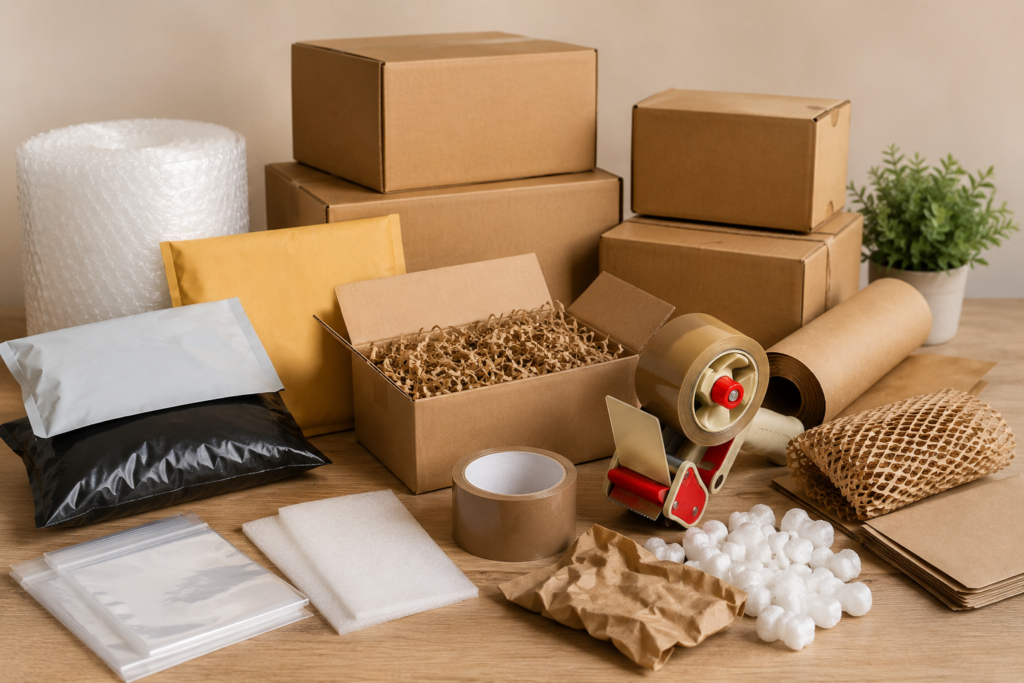
Many businesses use different types of packaging material every day. Below are the most common options.
1. Corrugated Cardboard
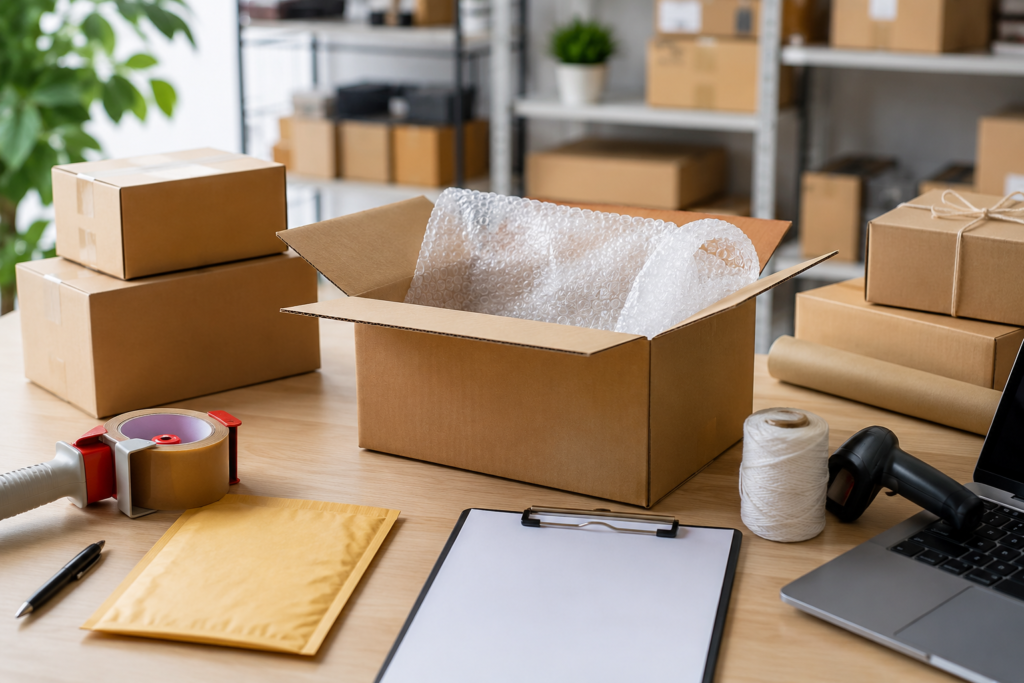
Corrugated cardboard is one of the most popular types of packaging material. It is strong, light, and affordable.
It has three layers. The middle layer has a wave shape. This design gives extra strength.
Benefits
- Strong
- Lightweight
- Easy to recycle
- Low cost
- Good for shipping
Common Uses
- Shipping boxes
- E-commerce packaging
- Electronics
- Home products
- Office supplies
Many online businesses use corrugated boxes because they protect products during delivery.
2. Paper Packaging
Paper is one of the oldest types of packaging material. Many businesses now choose paper because it is eco-friendly.
Paper packaging is easy to recycle. It also looks clean and professional.
Benefits
- Recyclable
- Lightweight
- Affordable
- Easy to print
- Environment friendly
Common Uses
- Shopping bags
- Gift wrapping
- Food packaging
- Retail products
- Paper envelopes
Paper packaging works well for businesses that want sustainable packaging.
3. Plastic Packaging
Plastic is another common types of packaging material. It comes in many shapes and sizes.
Businesses use plastic because it is flexible and durable.
Benefits
- Water resistant
- Lightweight
- Strong
- Low cost
- Easy to store
Common Uses
- Plastic bottles
- Food containers
- Packaging film
- Bubble mailers
- Cosmetic packaging
Many companies now use recycled plastic to reduce waste.
4. Glass Packaging
Glass gives products a premium look. It is one of the safest types of packaging material for food and beverages.
Glass does not react with most products. It keeps food fresh for a long time.
Benefits
- Reusable
- Recyclable
- Premium appearance
- Safe for food
- Long-lasting
Common Uses
- Juice bottles
- Perfume bottles
- Jam jars
- Pickles
- Medicines
Glass packaging works well for premium products.
5. Metal Packaging
It protects products from moisture, air, and sunlight.
The two most common metals are aluminum and steel.
Benefits
- Strong
- Durable
- Recyclable
- Long shelf life
- Excellent protection
Common Uses
- Food cans
- Beverage cans
- Paint cans
- Chemical containers
Metal packaging is perfect for products that need extra protection.
6. Wooden Packaging
Wood is a heavy-duty types of packaging material. Businesses use it to transport large and heavy products.
Benefits
- Very strong
- Reusable
- Long-lasting
- High load capacity
Common Uses
- Export shipments
- Machinery
- Furniture
- Industrial equipment
Wooden crates protect expensive products during transportation.
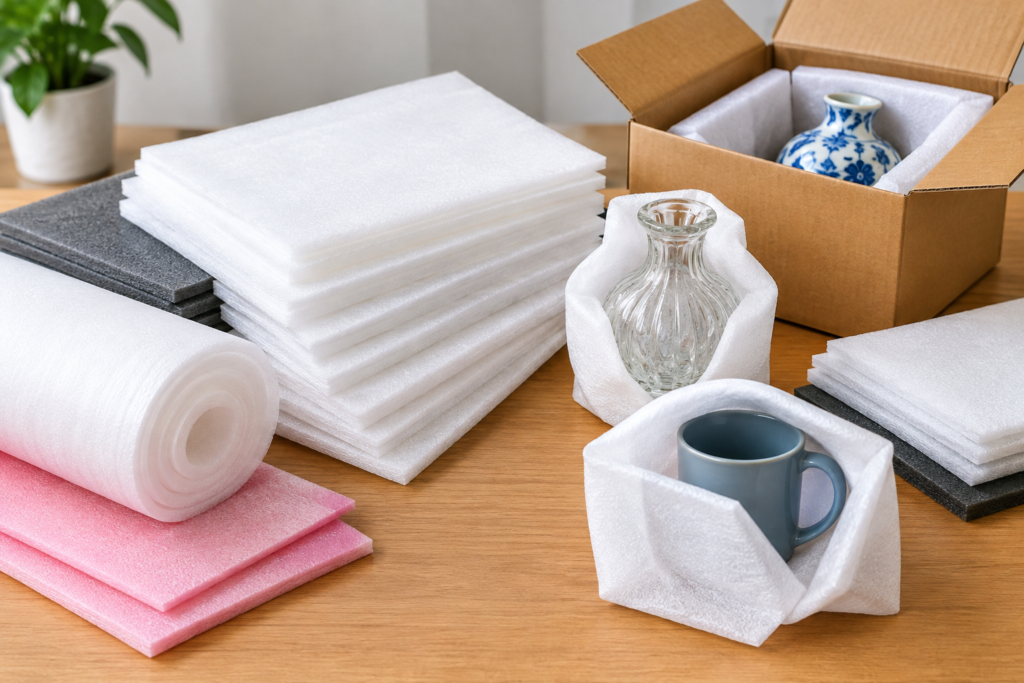
7. Foam Packaging
Foam protects delicate products. It is one of the best types of packaging material for fragile items.
Benefits
- Soft
- Lightweight
- Shock resistant
- Easy to shape
Common Uses
- Mobile phones
- Laptops
- Cameras
- Medical equipment
Foam keeps products safe inside the box.
8. Bubble Wrap
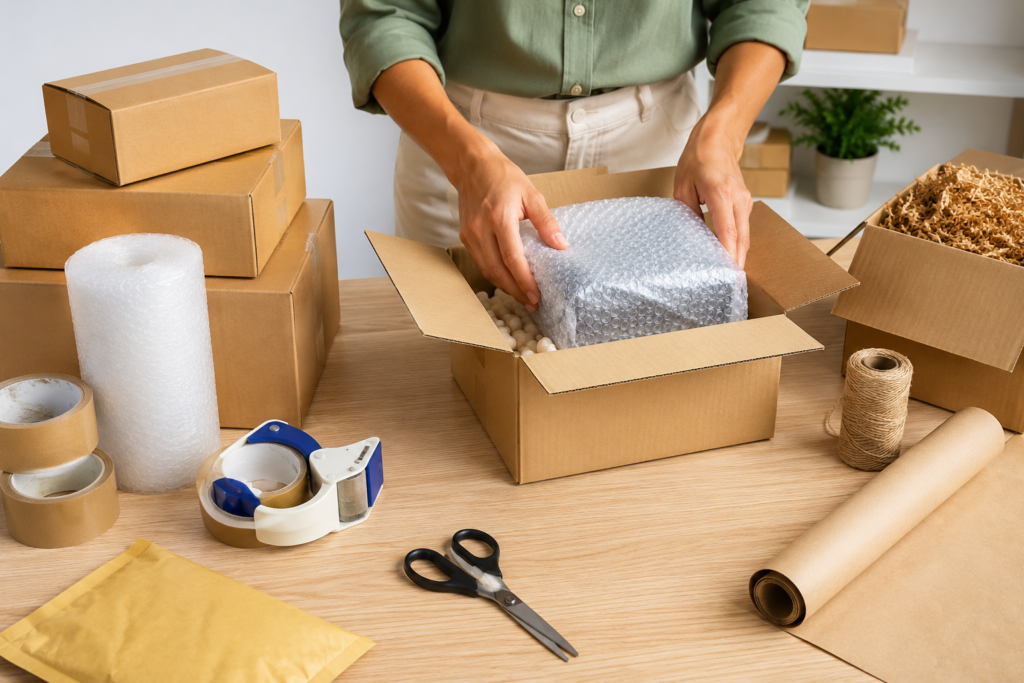
Bubble wrap is another popular types of packaging material. It protects products from shocks and vibrations.
Benefits
- Excellent cushioning
- Lightweight
- Flexible
- Easy to use
Common Uses
- Glassware
- Electronics
- Ceramic products
- Decorative items
Many businesses use bubble wrap with corrugated boxes for better protection.
How to Choose the Right Types of Packaging Material
Every product needs different packaging.
Before choosing types of packaging material, ask these questions.
Is the Product Heavy?
Heavy products need strong packaging like corrugated boxes or wooden crates.
Is the Product Fragile?
Fragile products need foam or bubble wrap.
Will You Ship the Product?
Products that travel long distances need durable packaging.
What Is Your Budget?
Choose packaging that gives good protection without increasing costs.
Do You Want Eco-Friendly Packaging?
Many customers prefer recyclable and biodegradable packaging materials.
Choosing the right types of packaging material helps you save money and keep customers happy.
How to Choose the Best Types of Packaging Material
Choosing the right types of packaging material is important for every business. Good packaging keeps products safe.
Follow these simple steps before you choose your packaging.
1. Know Your Product
First, understand your product.
Ask yourself these questions.
- Is it heavy?
- Is it fragile?
- Can water damage it?
- Does it need food-safe packaging?
- Will it travel a long distance?
Your answers will help you choose the right types of packaging material.
2. Think About Shipping
Shipping can be rough. Products may fall, shake, or get wet.
Choose strong types of packaging material if you ship products over long distances.
For example:
- Corrugated cardboard boxes
- Foam inserts
- Bubble wrap
- Stretch film
- Wooden crates
Strong packaging reduces product damage.
3. Keep Your Customers Happy
Customers notice your packaging before they see the product.
Good packaging should:
- Protect the product
- Look clean
- Be easy to open
- Match your brand
- Leave a good first impression
Better packaging creates a better customer experience.
4. Choose Eco-Friendly Packaging
Many customers now prefer sustainable packaging.
Eco-friendly types of packaging material include:
- Kraft paper
- Paper bags
- Recycled cardboard
- Compostable packaging
- Recyclable plastic
These materials help reduce waste and support the environment.
Best Types of Packaging Material for Different Industries
Every industry uses different packaging.
E-commerce
Online stores need packaging that protects products during delivery.
Best choices:
- Corrugated boxes
- Bubble wrap
- Paper fillers
- Packing tape
Food Industry
Food packaging must keep products fresh and safe.
Best choices:
- Food-grade paper
- Plastic containers
- Glass jars
- Aluminum cans
Electronics
Electronic products break easily.
Best choices:
- Foam inserts
- Bubble wrap
- Corrugated boxes
- Anti-static bags
These materials protect products from shocks and scratches.
Cosmetics
Beauty products need safe and attractive packaging.
Best choices:
- Glass bottles
- Plastic bottles
- Luxury paper boxes
- Protective sleeves
Pharmaceutical Industry
Medicine packaging must protect products from moisture and contamination.
Best choices:
- Blister packs
- Plastic bottles
- Glass bottles
- Tamper-proof packaging
Furniture Industry
Furniture is large and heavy.
Best choices:
- Wooden crates
- Corrugated sheets
- Foam sheets
- Stretch wrap
The right types of packaging material reduce damage during transport.
Latest Packaging Trends in 2026
Packaging keeps changing every year.
Here are some popular trends.
Sustainable Packaging
Many businesses now use recyclable and biodegradable materials.
Smart Packaging
Some packages include QR codes. Customers can scan them to get product details.
Lightweight Packaging
Lightweight materials reduce shipping costs.
Reusable Packaging
Some businesses use packaging that customers can use again.
These trends help businesses improve customer experience and reduce waste.
Benefits of Using the Right Types of Packaging Material
Choosing the right types of packaging material gives many benefits.
Better Product Protection
Good packaging protects products from damage.
Lower Shipping Costs
Lightweight packaging reduces delivery costs.
Better Brand Image
Professional packaging makes your brand look more trusted.
Higher Customer Satisfaction
Customers like products that arrive safely.
Easy Storage
Good packaging makes stacking and storing products easier.
Eco-Friendly Business
Sustainable packaging helps reduce pollution and supports a greener future.
Common Packaging Mistakes
Many businesses make simple mistakes.
Avoid these problems.
- Using weak boxes for heavy products
- Choosing packaging that is too large
- Forgetting waterproof protection
- Using poor-quality materials
- Ignoring eco-friendly options
- Not testing packaging before shipping
Avoiding these mistakes can save money and reduce product returns.
Frequently Asked Questions
What are the most common types of packaging material?
The most common types of packaging material are cardboard, paper, plastic, glass, metal, wood, foam, and bubble wrap.
Which packaging material is best for shipping?
Corrugated cardboard with bubble wrap or foam is one of the best choices for shipping.
Which packaging material is eco-friendly?
Paper, kraft paper, recycled cardboard, and compostable packaging are eco-friendly options.
Which packaging material is best for fragile products?
Foam inserts and bubble wrap protect fragile products very well.
Conclusion
Every business needs the right types of packaging material. Good packaging protects products, improves customer experience, and reduces shipping damage.
There are many options, including cardboard, paper, plastic, glass, metal, wood, foam, and bubble wrap. Each material has its own benefits. Choose the one that matches your product, budget, and shipping needs.
If you want to grow your business, invest in quality packaging.
Packaging and Shipping Information: Complete Guide for Beginners
Complete Guide to E-Commerce Packaging