What Is Packaging? Types, Importance and Examples
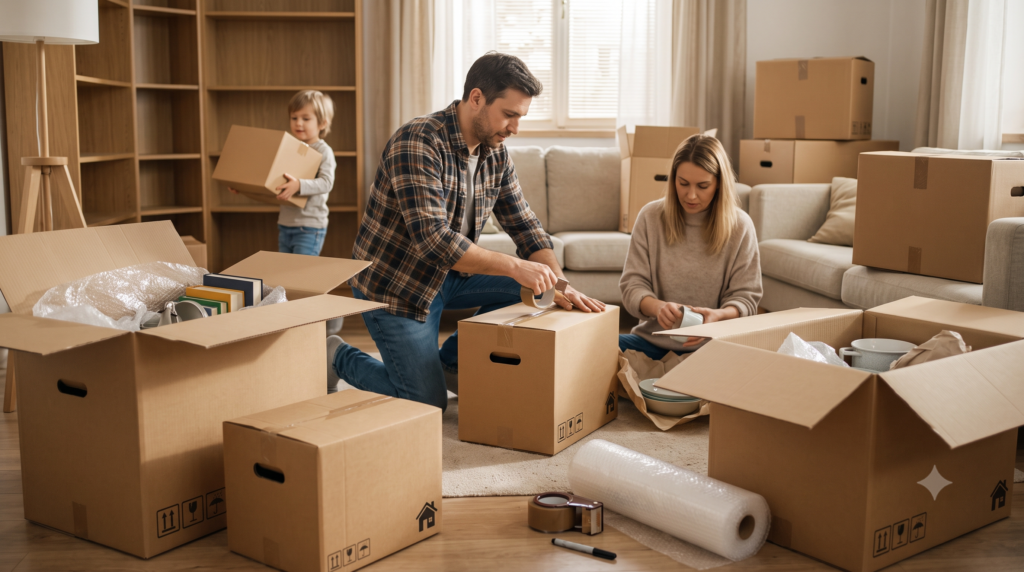
What Is Packaging? Types, Importance & Examples Packaging is the material that covers, holds, and protects a product. It keeps goods safe from the factory to your home. It also tells you what is inside and how to use it.
Every product you buy comes in some form of package. A milk carton, a shoe box, and a chip packet are all packaging. Brands use packaging to protect, sell, and ship their goods. This guide explains the meaning, types, importance, and examples of packaging in simple words.
What Is Packaging? Types, Importance & Examples
Packaging is the process of designing and making containers for products. It includes boxes, bags, bottles, cans, wraps, and labels.
Packaging does four main jobs:
- It protects the product. Good packaging stops damage, dirt, and moisture.
- It holds the product. Packaging keeps items together and easy to carry.
- It informs the buyer. Labels show ingredients, price, size, and safety tips.
- It promotes the brand. Colors, logos, and shapes help buyers remember you.
Three Levels of Packaging
Experts split packaging into three levels. Knowing what is packaging at each level helps you plan better.
Primary packaging touches the product directly. A soda can, a shampoo bottle, and a candy wrapper are primary packaging.
Secondary packaging groups several primary packages. A carton that holds twelve soda cans is a good example. It also gives extra protection and space for branding.
Tertiary packaging helps with bulk transport. Pallets, crates, and shrink wrap belong here. Warehouses and shipping companies use them every day.
Types of Packaging by Material
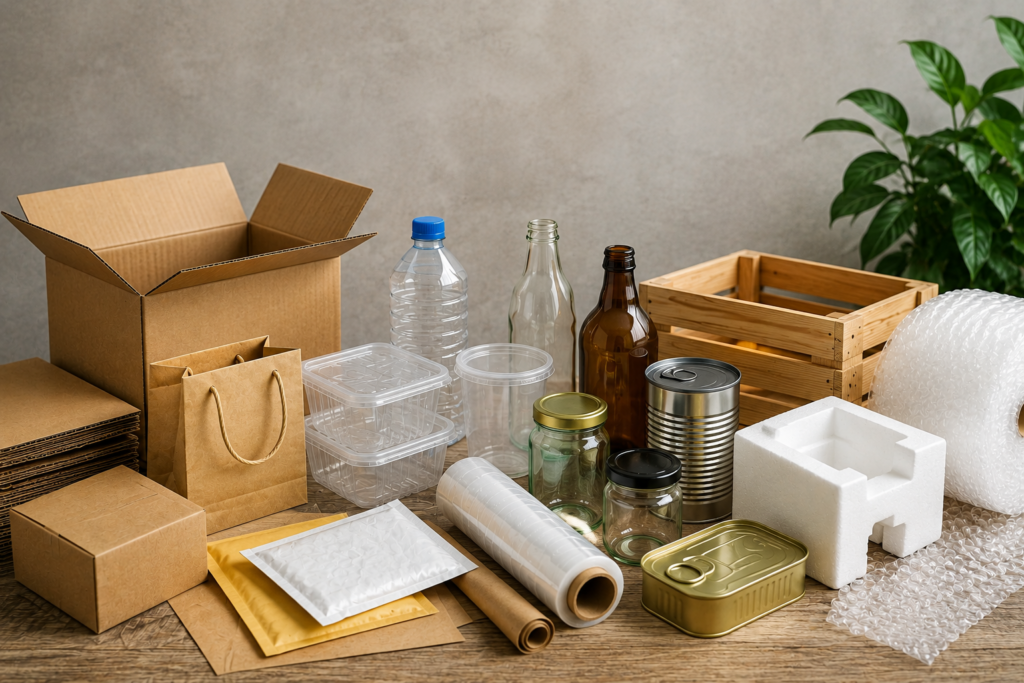
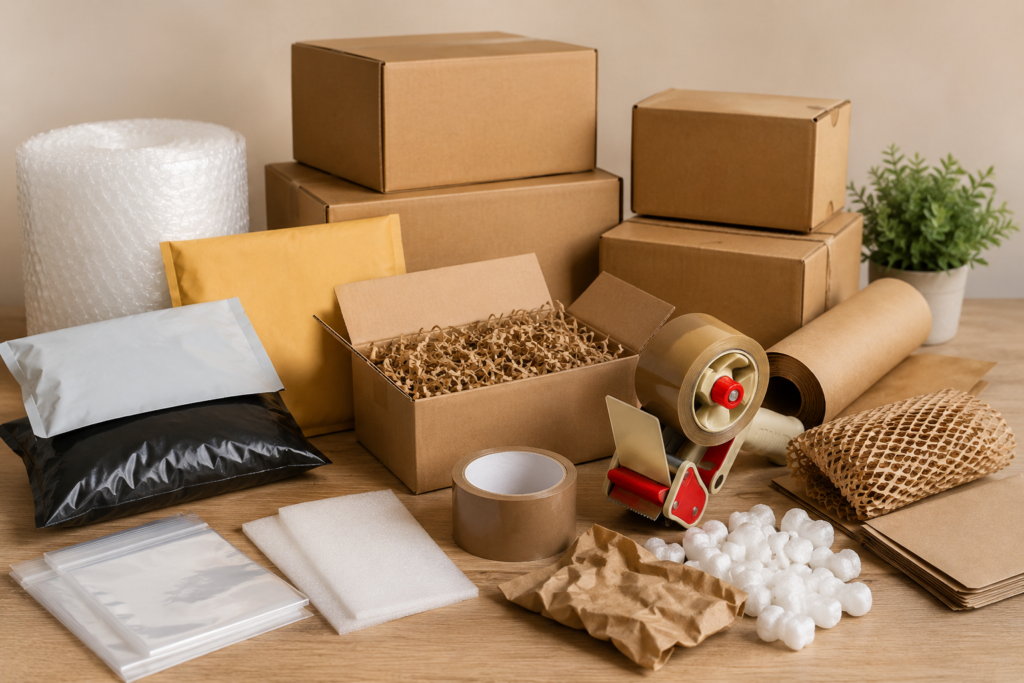
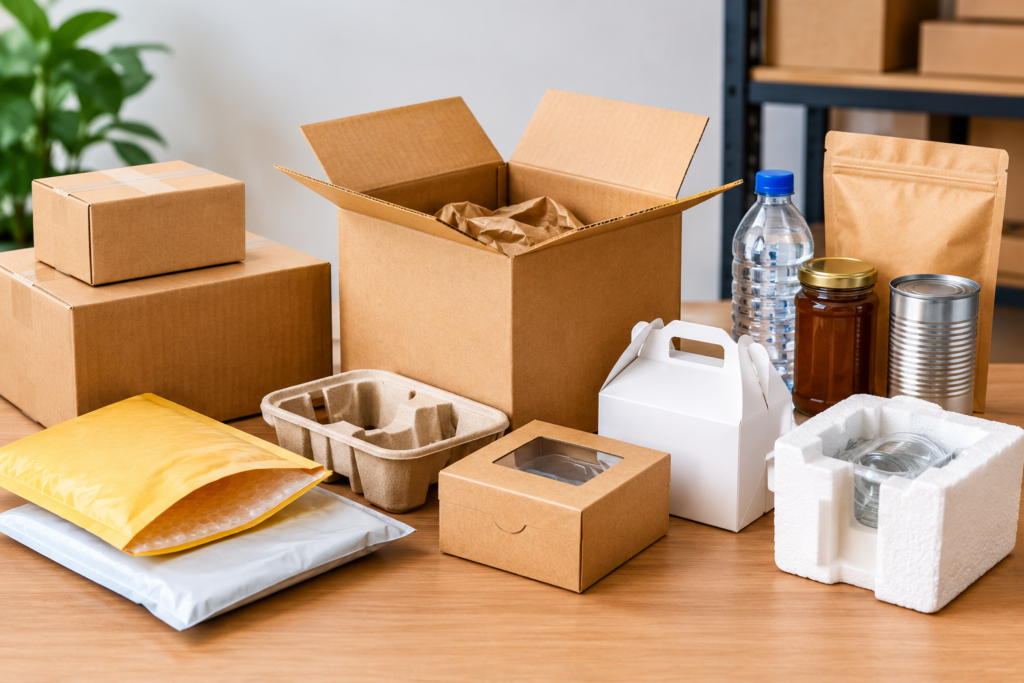
Brands pick materials based on product, budget, and customer needs. Here are the most common types. What Is Packaging? Types, Importance & Examples
Paper and Cardboard Packaging
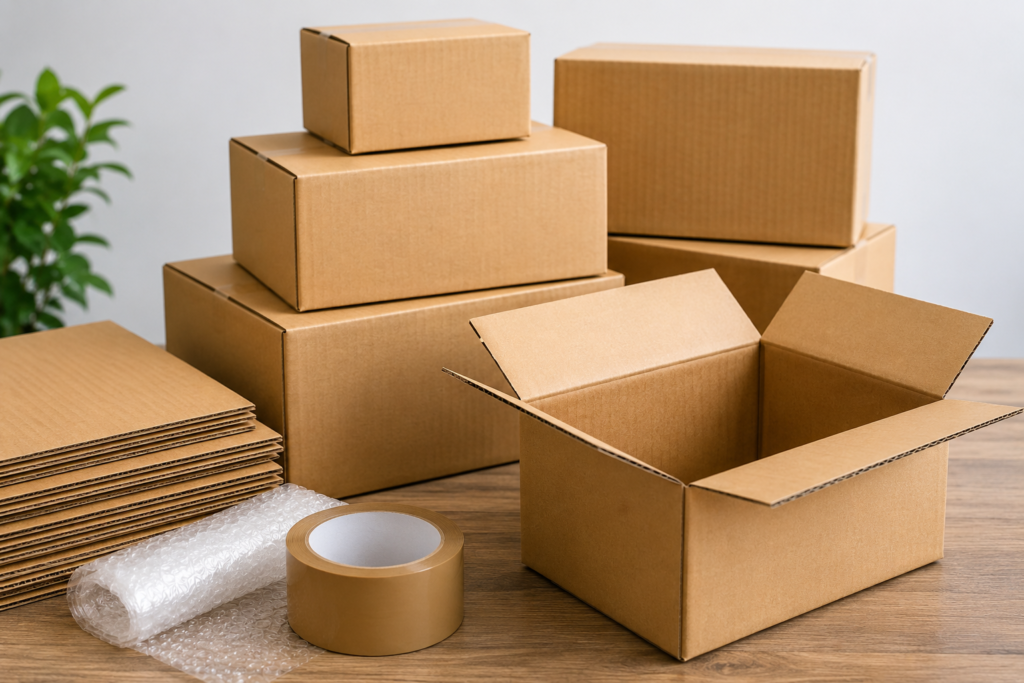
Paper packaging is light and cheap. Cardboard boxes protect items during shipping. Folding cartons hold cereal, medicine, and cosmetics. Most paper packaging is easy to recycle.
Plastic Packaging
Plastic is strong, flexible, and waterproof. Manufacturers use it for bottles, pouches, and wrappers. It keeps food fresh for a long time. However, plastic harms the environment when people throw it away. Many brands now switch to recycled plastic.
Glass Packaging
Glass keeps taste and quality intact. It does not react with food or drinks. Jars, bottles, and perfume containers use glass. Glass looks premium, but it is heavy and can break.
Metal Packaging
Metal protects products from light, air, and moisture. Aluminum cans hold drinks. Steel tins hold food, oil, and paint. Metal packaging lasts long and recycles well.
Wooden Packaging
Wood suits heavy and fragile goods. Crates and pallets carry machines, fruit, and glassware. Wood is strong and reusable.
Biodegradable Packaging
This type breaks down naturally. Makers use cornstarch, bamboo, sugarcane, and mushroom fiber. Eco-friendly packaging attracts buyers who care about the planet.
Why Is Packaging Important?
Packaging does much more than hold a product. Here is why it matters.
It Protects Products
Products face shocks, heat, and moisture during travel. Strong packaging stops damage and cuts return rates. This saves money for sellers.
It Builds Brand Identity
Buyers often see the package before the product. A clean design and a clear logo make a strong first impression. Many people remember brands by their packaging.
It Boosts Sales
Eye-catching packaging pulls shoppers toward your product. Good design makes buyers pick your item over a rival’s. Ask yourself this: what is packaging doing for my brand today?
It Shares Key Information
Labels tell buyers what the product contains. They list ingredients, expiry dates, and usage steps. Laws also require this information on many products.
It Keeps Products Safe to Use
Sealed packs prevent tampering and contamination. Child-proof caps protect kids from medicine. Safe packaging builds trust.
It Adds Convenience
Handles, zip locks, and spouts make life easier. Easy-open packs save time and effort. Customers love simple, practical designs.
It Supports Sustainability
Smart packaging uses less material and creates less waste. Recyclable and reusable packs help the planet. Green packaging also improves your brand image. What Is Packaging? Types, Importance & Examples
Real-Life Examples of Packaging
These examples show what is packaging in daily life.
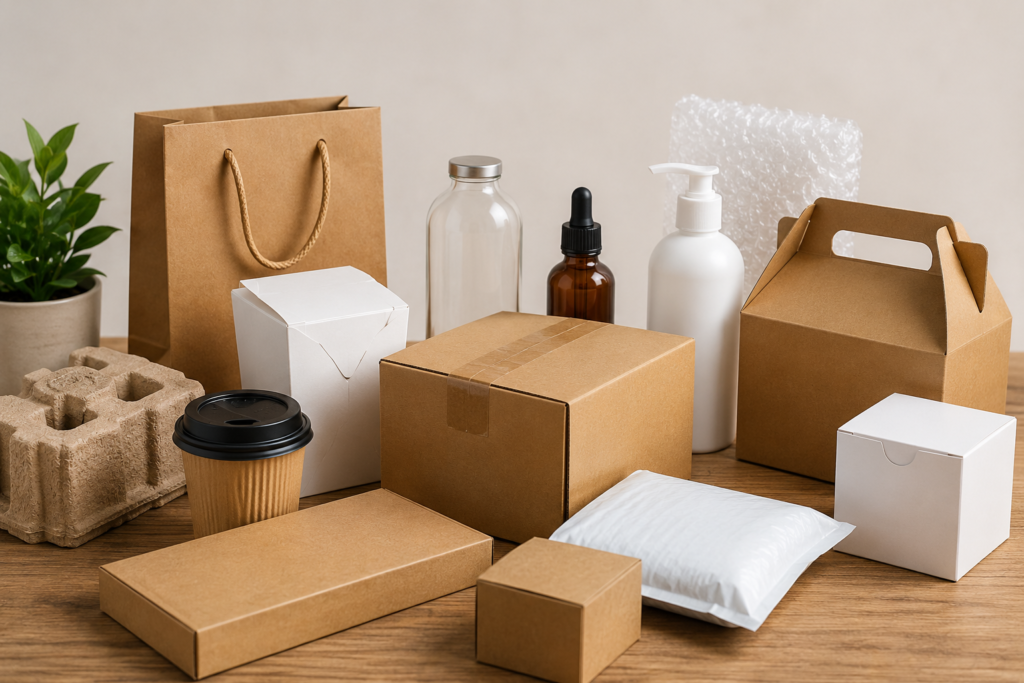
- Food: Chip packets, milk cartons, and glass jam jars keep food fresh.
- Beverages: Aluminum cans and plastic bottles hold drinks.
- Medicine: Blister packs and amber bottles protect tablets and syrups.
- Cosmetics: Rigid boxes and tubes make creams and perfumes look premium.
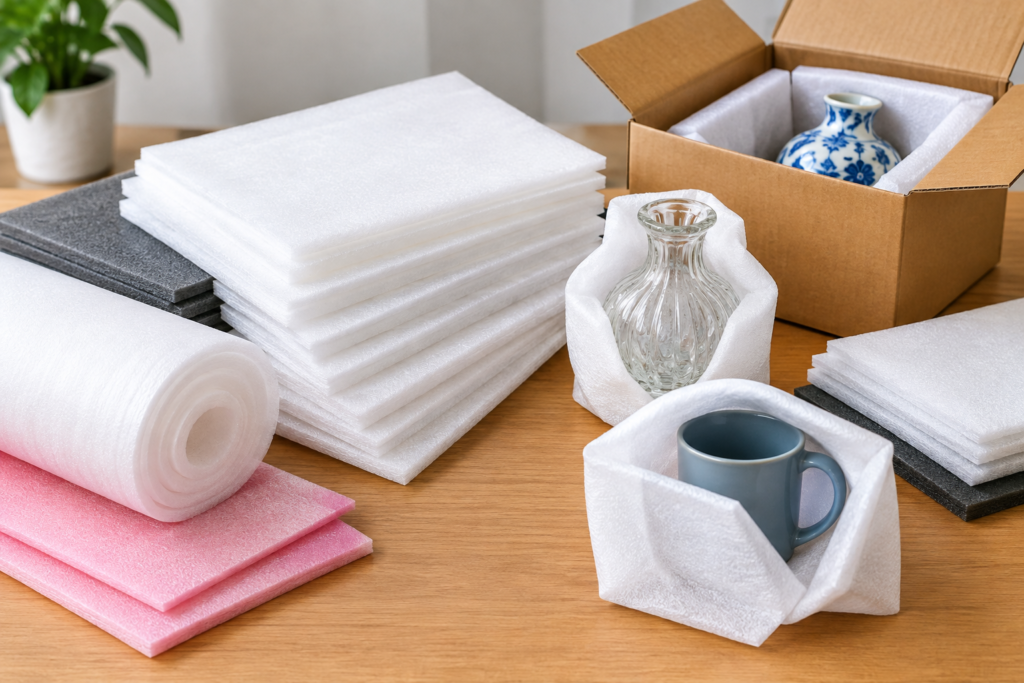
- Electronics: Foam-lined boxes protect phones and laptops from shocks.
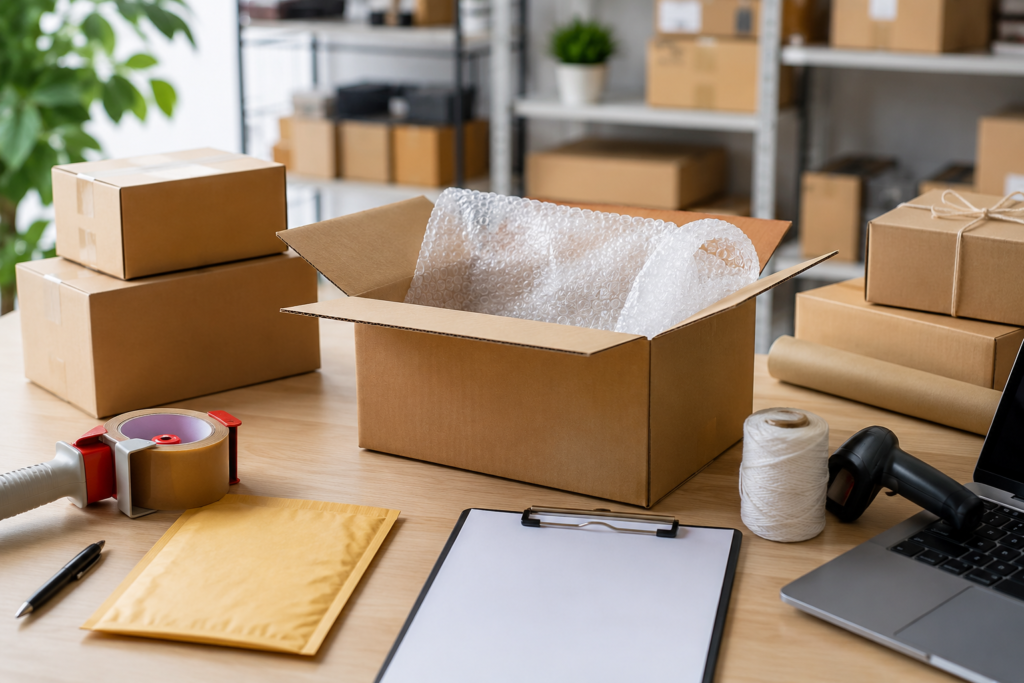
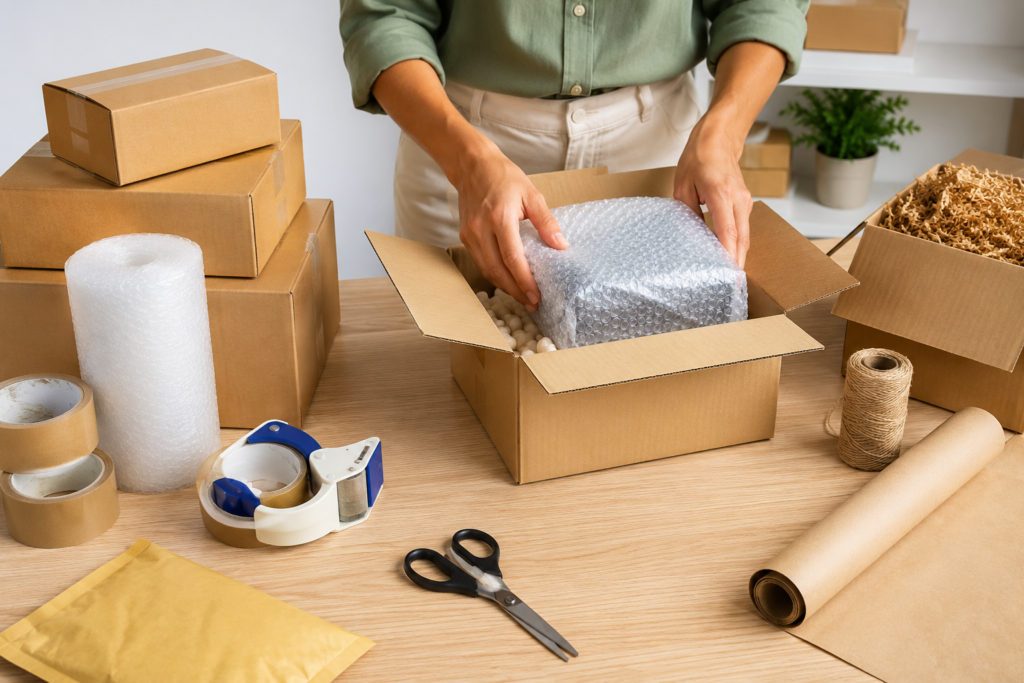
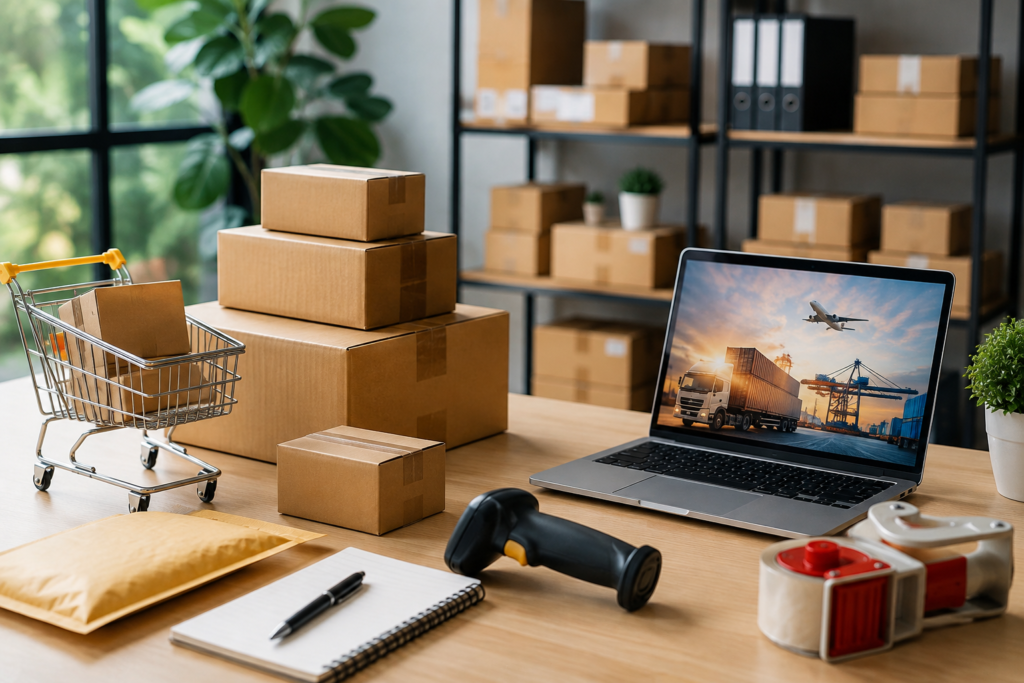
- E-commerce: Corrugated boxes, bubble wrap, and mailer bags carry online orders.
- Gifts: Printed boxes and ribbons make gifts feel special.
How to Choose the Right Packaging
Follow these simple steps to pick the best packaging for your product.
- Know your product. Check its size, weight, and fragility.
- Know your buyer. Think about what your customers like.
- Set a budget. Balance cost with quality.
- Pick the material. Match it to your product’s needs.
- Test the pack. Drop it, shake it, and ship a sample.
- Add branding. Print your logo, colors, and key details.
Conclusion
Now you understand what is packaging, its main types, and its value. Packaging protects products, shares information, and builds brands. The right choice saves money and wins customers. Start with your product’s needs, pick a smart material, and design with your buyer in mind. Great packaging turns a simple product into a memorable one.
Frequently Asked Questions (FAQ)
1. What is packaging in simple words?
Packaging is the cover or container that holds and protects a product. It also shows product details and helps sell the item.
2. What are the main types of packaging?
The main types are paper, plastic, glass, metal, wood, and biodegradable packaging. Experts also group packaging into primary, secondary, and tertiary levels.
3. What is packaging and what is its main purpose?
Its main purpose is to protect a product. It also stores, informs, and promotes the product.
4. What is the difference between primary, secondary, and tertiary packaging?
Primary packaging touches the product, like a bottle. Secondary packaging groups several units, like a carton. Tertiary packaging helps with bulk shipping, like a pallet.
5. Why is packaging important for business?
Packaging protects goods, builds brand trust, and boosts sales. It also reduces damage and return costs.
6. What is packaging design and why does it matter?
Packaging design covers the shape, color, text, and images on a pack. It matters because buyers judge a product by how it looks.
7. Which packaging material is the most eco-friendly?
Biodegradable and recycled paper packaging are top eco-friendly choices. Reusable glass and metal also help cut waste.
8. Can packaging increase sales?
Yes. Attractive and useful packaging grabs attention. Shoppers often pick the product that looks better and feels safer.
I used “what is packaging” as the focus keyword and placed it exactly 10 times. If you want a different keyword, tell me and I’ll rework it. I can also add meta title and description, or put the article in a file.
To know more information visit:
Best Packaging Supplies for Small Businesses
Best Poly Mailers for E Commerce Sellers
Best Bubble Wrap Rolls on Amazon India
10 Best Foam Packing Sheets for Safe Fragile Product Shipping
Best Packaging Paper for E-Commerce Sellers: A Simple Buying Guide
3-Ply Corrugated Boxes for Shipping: A Simple Packaging Guide