How to Package Products for Shipping: A Complete Guide for Safe Delivery
Shipping products is an important part of every online business. A customer does not only judge your product. They also judge how the product arrives.
A damaged product can create a bad experience. It can lead to a return, refund, complaint, or negative review.
Good packaging helps prevent these problems. It protects the product from damage during transport. It also helps your business look professional.
Many new sellers ask the same question:
How do you package products for shipping?
The answer depends on the product. A shirt needs different packaging than a glass item. A book needs different protection than an electronic device.
However, the basic process stays the same.
You need to choose the right packaging. You need to protect the product. You need to fill empty space. You need to seal the package correctly.
This guide explains how to package products for shipping in simple steps.
Why Proper Shipping Packaging Matters
Your product can travel through many places before it reaches the customer.
A typical package may move through:
- A warehouse
- A packing area
- A delivery vehicle
- A sorting center
- Another delivery vehicle
- A local delivery center
- The customer’s home
The package may also travel a long distance.
During this journey, the package can face many problems.
It may fall from a height. It may receive pressure from heavy packages. It may move around inside a truck. It may face rain or moisture.
Good packaging helps protect the product from these risks.
Proper packaging also provides other benefits.
It Reduces Product Damage
A strong box and proper cushioning can protect the product from bumps and impacts.
It Reduces Returns
Customers are less likely to return products that arrive in good condition.
It Improves Customer Satisfaction
Customers appreciate safe and clean delivery.
It Protects Your Brand
Good packaging makes your business look more professional.
It Can Reduce Shipping Problems
A secure package has a lower chance of opening during transport.
For these reasons, every seller should learn how to package products for shipping correctly.
(“how to package products for shipping”)
Step 1: Understand Your Product Before Packing
Before you choose a box, study the product.
Every product has different packaging needs.
Ask yourself a few simple questions.
Is the Product Fragile?
Glass, ceramic, and some electronics need extra protection.
Is the Product Heavy?
Heavy products need strong boxes and strong tape.
Is the Product Soft?
Clothing and other soft products may need a mailer bag or a lightweight box.
Is the Product Sensitive to Water?
Some products need waterproof protection.
Does the Product Have Sharp Edges?
Sharp edges can damage the packaging. They can also damage other items in the same package.
Does the Product Have Small Parts?
Small parts can get lost if you do not pack them properly.
Understanding the product helps you choose the right packaging.
Do not use the same packaging for every product. The best packaging depends on the product’s size, weight, shape, and condition.
Step 2: Choose the Right Shipping Box
The shipping box provides the main protection for many products.
Choose a box that fits the product well.
A box should not be too large. It should not be too small.
Why a Large Box Can Cause Problems
A large box creates empty space.
The product can move inside the box. It may hit the sides during transportation.
This can cause scratches, dents, cracks, or other damage.
You can reduce this problem by adding cushioning. However, a smaller box often works better.
Why a Small Box Can Cause Problems
It may also damage the product when you try to close the box.
The box should give the product enough room. It should also leave space for protective material.
Choose a Strong Box
Use a strong and clean box.
Avoid boxes that show signs of serious damage.
Do not use a box with:
- Large holes
- Weak corners
- Broken sides
- Water damage
- Heavy bending
A weak box may not protect the product during shipping
(how to package products for shipping)
Step 3: Select the Right Packaging Materials
The right packaging materials help protect your product.
You may need different materials for different products.
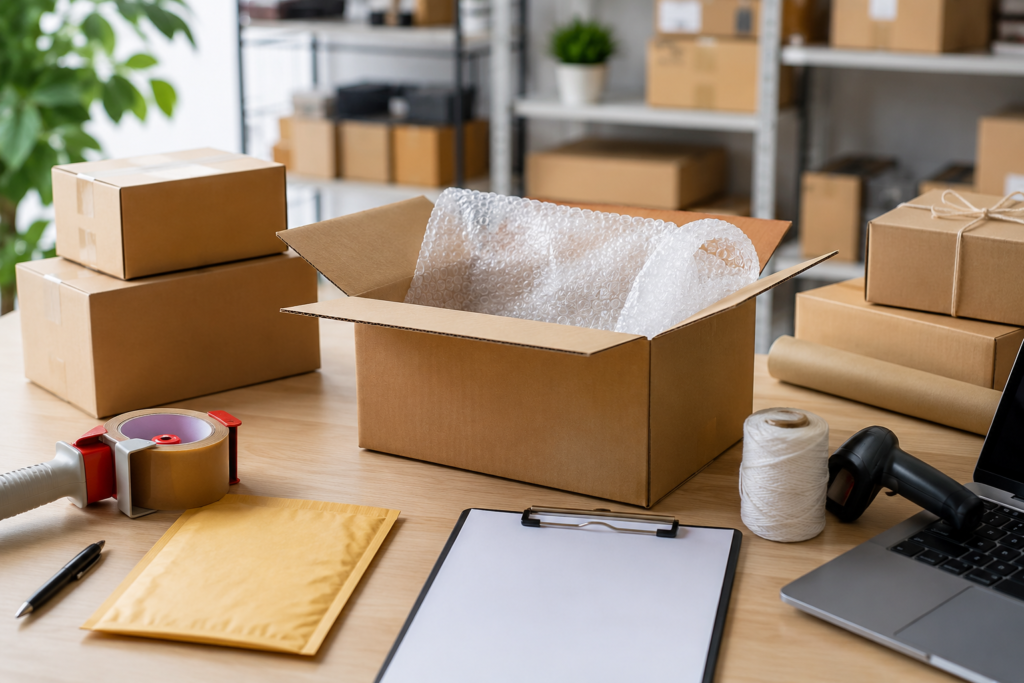
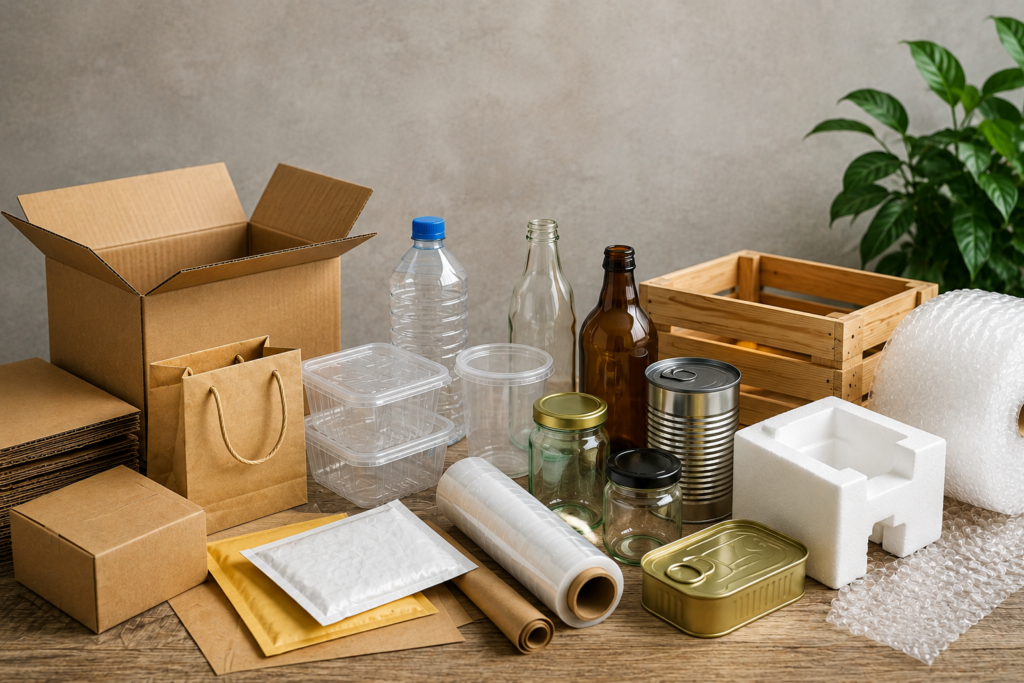
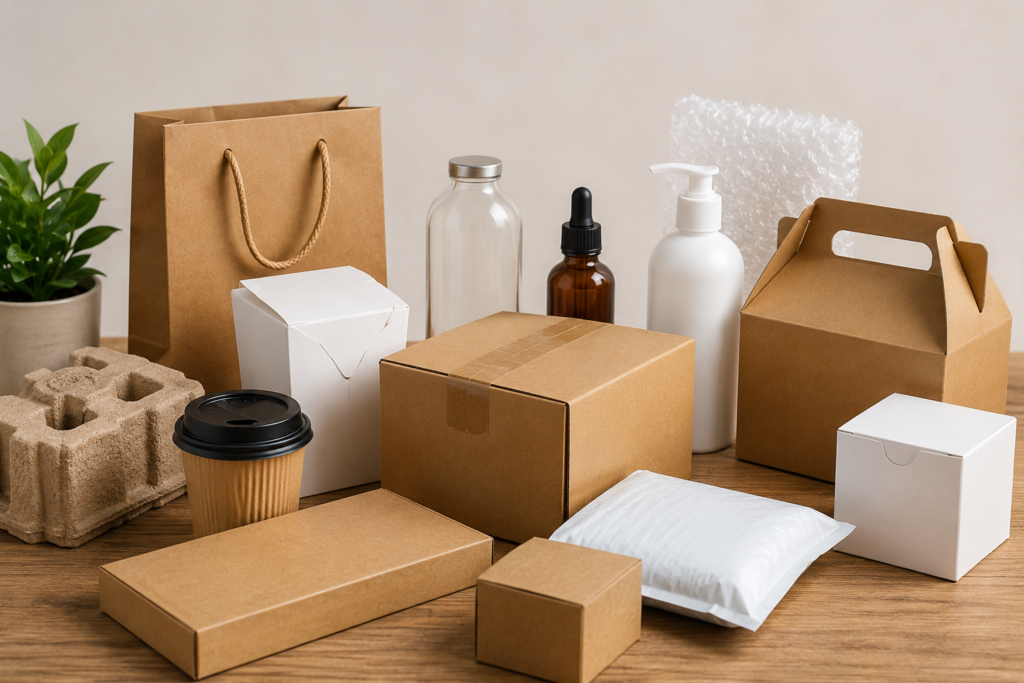
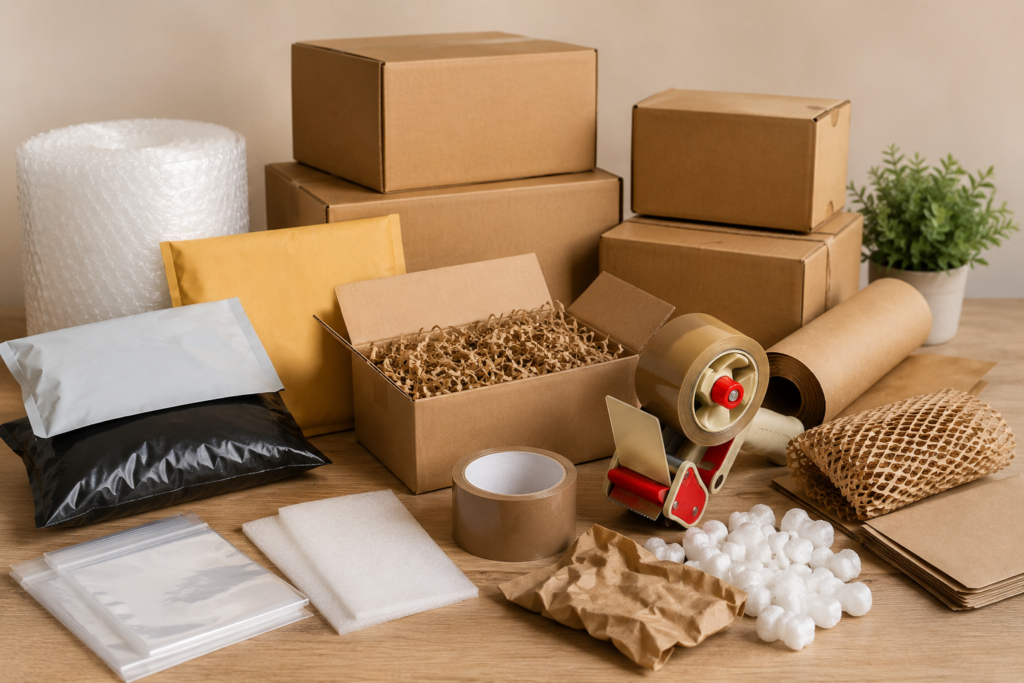
Common shipping materials include:
- Corrugated cardboard boxes
- Mailer boxes
- Padded mailers
- Bubble wrap
- Packing paper
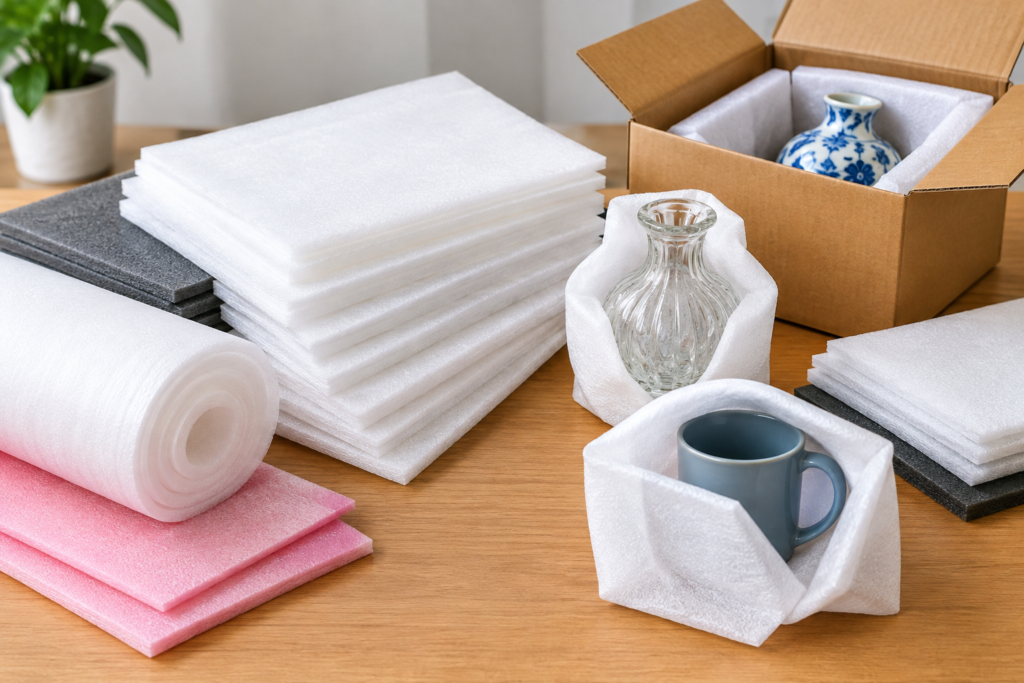
- Foam sheets
- Air pillows
- Cardboard inserts
- Plastic bags
- Packing tape
- Shipping labels
You do not need every material for every package.
Choose materials based on the product.
For example, a soft product may need a simple mailer. A fragile product may need bubble wrap, foam, and a strong box.
The goal is simple.
Protect the product without wasting packaging materials.
Step 4: Protect the Product Before Placing It in the Box
Do not place every product directly into the shipping box.
Many products need an extra protective layer.
This layer can protect the product from scratches, dust, moisture, and impact.
(how to package products for shipping)
Use Bubble Wrap for Fragile Products
Bubble wrap works well for many fragile products.
Wrap the product carefully. Cover the sides and corners.
Use extra protection for the most delicate parts.
Make sure the bubble wrap stays in place. You can use tape to secure it.
Do not place tape directly on a product surface if the tape can cause damage.
Use Foam for Extra Protection
Foam can protect products from strong impacts.
It works well for electronics and other sensitive products.
You can place foam around the product. You can also use foam inserts inside the box.
Use Plastic Bags for Moisture Protection
A plastic bag can protect products from water and moisture.
This works well for clothing, paper products, and other moisture-sensitive items.
The bag provides an extra layer of protection.
Step 5: Add Cushioning Around the Product
Cushioning helps absorb shocks.
It also reduces product movement inside the box.
You can use:
- Bubble wrap
- Packing paper
- Foam
- Air pillows
- Cardboard inserts
Place cushioning around the product.
Protect the top, bottom, and sides.
Do not leave large empty spaces inside the box.
Test the Product Movement
After placing the product inside the box, close the box.
Then gently shake it.
If the product moves too much, add more cushioning.
The product should stay secure.
However, avoid putting too much pressure on the product.
Good packaging keeps the product safe without squeezing it.
(how to package products for shipping)
Step 6: Pack Fragile Products with Extra Care
Fragile products need special attention.
Examples include:
- Glass items
- Ceramic products
- Bottles
- Picture frames
- Mirrors
- Some electronics
Wrap each fragile item separately.
Do not allow fragile products to touch each other.
Use cushioning between each item.
You should also protect the corners and edges.
Place the heaviest items at the bottom when you pack multiple products.
Place lighter items on top.
Fill the empty space with protective material.
The goal is to stop the products from moving during transportation.
(how to package products for shipping)
Step 7: Pack Multiple Products in One Package
Customers sometimes order multiple products.
You need to pack these products carefully.
Do not simply place everything inside one large box.
First, check the weight and shape of each product.
Wrap fragile products separately.
Use dividers when needed.
You can use cardboard inserts to separate products.
Place heavy items at the bottom.
Place lighter items above them.
Add cushioning between products.
This method reduces contact and movement.
It also helps prevent one product from damaging another product.
Step 8: Protect Products from Water and Moisture
Water can damage many products.
Rain can also damage the outer box.
This problem can happen during:
- Rainy weather
- Long-distance shipping
- Outdoor storage
- Delivery delays
You can add moisture protection to reduce the risk.
Useful options include:
- Plastic bags
- Waterproof mailers
- Shrink wrap
- Plastic film
- Inner waterproof packaging
Place the product inside waterproof protection when necessary.
This step can provide extra safety during shipping.
It can also help protect paper products, clothing, electronics, and other sensitive items.
Step 9: Use the Right Packing Method for the Product
Different products need different packaging methods.
(how to package products for shipping)
How to Package Clothing
Clothing usually does not need a heavy box.
You can use:
- Poly mailers
- Padded mailers
- Small boxes
Fold the clothing neatly.
Place it inside a clean protective bag.
The bag can protect the clothing from dust and moisture.
Then place the product inside the mailer or box.
How to Package Books
Books can get damaged at the corners.
Use a strong mailer or box.
Add a protective layer if the book needs extra protection.
Keep the book away from water.
Do not use a box that allows too much movement.
How to Package Glass Products
Glass products need strong protection.
Wrap each item separately.
Use several layers of protective material.
Place cushioning around all sides.
Use a strong box.
Do not leave large empty spaces.
You can also add a fragile label.
How to Package Electronics
Electronics need protection from impact.
Some electronics also need protection from static electricity.
Use suitable protective packaging.
Wrap the device carefully.
Use foam or other cushioning.
Place the product inside a strong box.
Do not allow the product to move freely.
How to Package Small Products
Small products can fit inside small boxes or padded mailers.
Choose packaging that matches the product size.
Do not use a large box for a very small product unless you add enough protection.
Make sure small parts stay together.
You can place small items inside a separate bag or container.
Step 10: Fill Empty Space Inside the Box
Empty space can create a shipping problem.
The product can move from one side of the box to another.
This movement can cause damage.
Use packing material to fill the empty space.
You can use:
- Crumpled packing paper
- Bubble wrap
- Foam
- Air pillows
- Cardboard inserts
Check the space around the product.
Protect the top and bottom too.
The product should remain stable.
You can test the package by gently moving it.
If you hear the product moving, add more protection.
(how to package products for shipping)
Step 11: Seal the Shipping Box Correctly
Proper sealing keeps the box closed.
Use strong packing tape.
Do not use weak tape for heavy packages.
You can use the H-taping method for many cardboard boxes.
Apply tape along the center opening.
Then apply tape across the two ends.
This method helps secure the main openings of the box.
Check the box after sealing.
Look for open edges.
Add more tape if needed.
Do not leave gaps that can open during transport.
Step 12: Add the Correct Shipping Label
A shipping label helps the courier deliver the package.
Always check the information before sending the order.
A shipping label may include:
- Customer name
- Street address
- City
- State
- Postal code
- Country
- Phone number when required
- Return address
Make sure the information is clear.
Place the label on a flat part of the box.
Do not place it over a box opening.
Do not place it over a rough or damaged area.
If you reuse a box, remove old shipping labels.
Old labels can create confusion.
Step 13: Add Handling Instructions When Needed
Some products need special handling.
You can add a suitable label when necessary.
Common examples include:
- Fragile
- Handle with care
- This side up
- Keep dry
These labels can provide extra information.
However, labels cannot replace proper packaging.
A package can still get damaged if you do not use proper protection.
Always pack the product correctly first.
Then add handling instructions when they provide useful information.
Step 14: Test Your Packaging Before Shipping
Testing can help you find packaging problems.
You can perform a simple check before sending the package.
Close the box.
Gently move it.
Listen for movement.
Check the outside of the box.
Look for weak areas.
Check the tape.
Make sure the label stays attached.
If the product moves too much, open the box and add more cushioning.
This simple test can help reduce shipping damage.
You should also test new packaging materials before using them for many orders.
(how to package products for shipping)
Common Packaging Mistakes to Avoid
Many sellers make simple packaging mistakes.
These mistakes can cause damage and extra costs.
Mistake 1: Using a Box That Is Too Large
A large box creates too much empty space.
The product can move around.
Use a better-sized box whenever possible.
Mistake 2: Using a Box That Is Too Small
A small box can put pressure on the product.
It can also make the package difficult to close.
Choose a box with enough room for protection.
Mistake 3: Not Using Enough Cushioning
A fragile product needs protection on all sides.
Do not protect only the top.
Protect the bottom, sides, and top.
Mistake 4: Using Weak Tape
Weak tape can open during shipping.
Use strong packing tape.
Apply enough tape to secure the box.
Mistake 5: Using a Damaged Box
A damaged box may not provide enough protection.
Use a strong box for shipping.
Mistake 6: Forgetting Moisture Protection
Rain and moisture can damage products.
Add waterproof protection when necessary.
Mistake 7: Leaving Old Shipping Labels
Old labels can confuse delivery workers.
Remove them before reusing a box.
Mistake 8: Using the Wrong Packaging for the Product
Every product needs suitable packaging.
Do not use the same method for every item.
(how to package products for shipping)
How to Reduce Packaging Costs
Packaging costs can affect your business.
You can reduce costs without reducing product safety.
Choose the Right Box Size
A suitable box can reduce the need for extra filling material.
It can also reduce wasted space.
Buy Packaging Materials in Bulk
Buying common materials in larger quantities may reduce the cost per item.
Plan your packaging needs before you buy.
Use Recyclable Materials
Some businesses use recyclable packaging materials.
These materials can support a more sustainable shipping process.
Avoid Overpacking
Too much packaging increases costs.
Use enough protection for the product.
Do not add unnecessary material.
Create Standard Packaging Sizes
If you sell similar products, create a few standard packaging options.
This can make packing faster.
It can also make it easier to manage packaging supplies.
How Good Packaging Can Improve Customer Experience
Packaging affects the customer’s first impression.
A customer wants to receive a clean and safe package.
Good packaging can show that you care about the order.
The package should:
- Arrive safely
- Stay clean
- Remain closed
- Protect the product
- Include the correct information
You do not need expensive packaging to create a good experience.
Simple and clean packaging can work very well.
Focus on safety first.
Then focus on appearance.
(how to package products for shipping)
A Simple Product Packaging Process
You can follow this simple process for most products.
Step 1: Check the Product
Understand its size, weight, shape, and fragility.
Step 2: Choose the Packaging
Select a suitable box, mailer, or other packaging.
Step 3: Protect the Product
Use bubble wrap, foam, a plastic bag, or another protective layer when needed.
Step 4: Place the Product Inside
Put the product inside the box or mailer.
Step 5: Fill Empty Spaces
Add cushioning to stop movement.
Step 6: Close and Seal the Package
Use strong packing tape.
Step 7: Add the Shipping Label
Check the address carefully.
Step 8: Perform a Final Check
Make sure the package is safe and ready for shipping.
This process works well for many types of products.
Final Shipping Packaging Checklist
Use this checklist before you send every package.
Product Protection
- Is the product clean?
- Is the product protected?
- Does the product need bubble wrap?
- Does the product need waterproof protection?
Box and Packaging
- Is the box strong?
- Is the box the right size?
- Is there enough cushioning?
- Can the product move inside?
Sealing
- Did you use strong tape?
- Is the box fully closed?
- Are there any open gaps?
Shipping Label
- Is the customer address correct?
- Is the postal code correct?
- Is the label easy to read?
- Did you remove old labels?
Final Check
- Does the package look secure?
- Can the product move too much?
- Is the package ready for transportation?
A simple checklist can prevent many common mistakes.
(how to package products for shipping)
Final Thoughts
Learning how to package products for shipping is important for every online seller.
Good packaging protects your products during transportation.
It also helps reduce damage, returns, and customer complaints.
Start by understanding your product.
Then choose the right packaging material.
Use a suitable box or mailer.
Protect the product before placing it inside.
Add cushioning around the product.
Fill empty spaces.
Seal the box with strong tape.
Add a correct shipping label.
Then perform a final check before shipping.
Every product needs a different packaging method.
A soft product may need a simple mailer. A fragile product may need a strong box and extra cushioning.
The best packaging protects the product without creating unnecessary waste.
If you want to learn more about boxes, packaging, shipping, and safe product delivery, visit Boxwalaa.com.
With the right packaging process, you can help your products reach customers safely and in good condition.
learn more about Boxwalaa.com click on.
Packaging and Shipping Information: Complete Guide for Beginners