Complete Shipping Guide for Online Business
Shipping is a key part of every online store. Selling a product is only the first step. You also need to deliver that product safely and on time.
A good shipping process can improve customer trust. It can also reduce costs and delivery problems. On the other hand, poor shipping can cause complaints, returns, and negative reviews.
New online sellers often have many shipping questions. They may not know which courier to use. They may also struggle with packaging, shipping rates, tracking, and returns.
This complete shipping guide for online business covers the main things you need to know. It uses simple steps that beginners can follow.

What Is Online Business Shipping?
Online business shipping means delivering products from your store to your customers.
You check the order details and prepare the product. Then you pack the product and create a shipping label.
After that, you give the parcel to a courier. The courier transports the package to the customer’s address.
You should also provide tracking details. This lets customers check their delivery status.
A simple process can help you handle orders faster and avoid mistakes.
Packaging and Shipping Information: Complete Guide for Beginners
Why Shipping Matters
Shipping has a direct effect on customer satisfaction.
Customers want their products to arrive safely. They also want delivery within the time you promise.
Late delivery can make customers unhappy. Damaged products can create refund requests. High delivery charges can also stop people from buying.
A strong shipping system can help you:
- Improve customer satisfaction.
- Reduce delivery errors.
- Protect products.
- Control shipping expenses.
- Reduce returns.
- Build customer trust.
- Increase repeat orders.
This complete shipping guide for online business can help you create a better delivery system.
Choose Your Shipping Area
First, decide where you want to deliver.
You can start with your local area. You can then expand to other cities and states.
Many online stores eventually ship across the country. Some businesses also offer international delivery.
Start with an area that you can manage properly. Expand when your order process becomes stable.
Before adding a new location, check courier coverage and delivery costs.
(complete shipping guide for online business)
Choose the Right Courier
Your courier partner plays an important role in your business.
Do not choose a courier only because it has a low price. Compare different services before making your decision.
Check delivery speed and service coverage. Look at tracking features and pickup options.
You should also check customer support and return handling.
Using two or more courier services can give you more flexibility. You can choose the best option for different locations and products.
Calculate Shipping Costs
Shipping costs can reduce your profit if you do not calculate them correctly.
Your total shipping expense can include several charges.
These may include:
- Courier fees.
- Packaging costs.
- Pickup charges.
- Handling fees.
- Taxes.
- Remote area charges.
- Return shipping costs.
For example, suppose you sell a product for ₹1,000. Your product costs ₹600. Packaging costs ₹30, and delivery costs ₹100.
You have ₹270 left before other business expenses.
Shipping Boxes for Small Businesses: How to Choose the Right Boxes
Decide Your Shipping Charges
You can use different methods to charge customers for delivery.
You can set a fixed shipping fee for every order. You can also calculate the fee based on location or package weight.
Another option is free shipping above a certain order value.
For example, you can offer free delivery on orders above ₹999.
This can encourage customers to purchase more items.
Choose a method that protects your profit while keeping prices reasonable.
(complete shipping guide for online business)
Use Proper Packaging
Packaging protects your products during transportation.
Choose packaging according to the product.
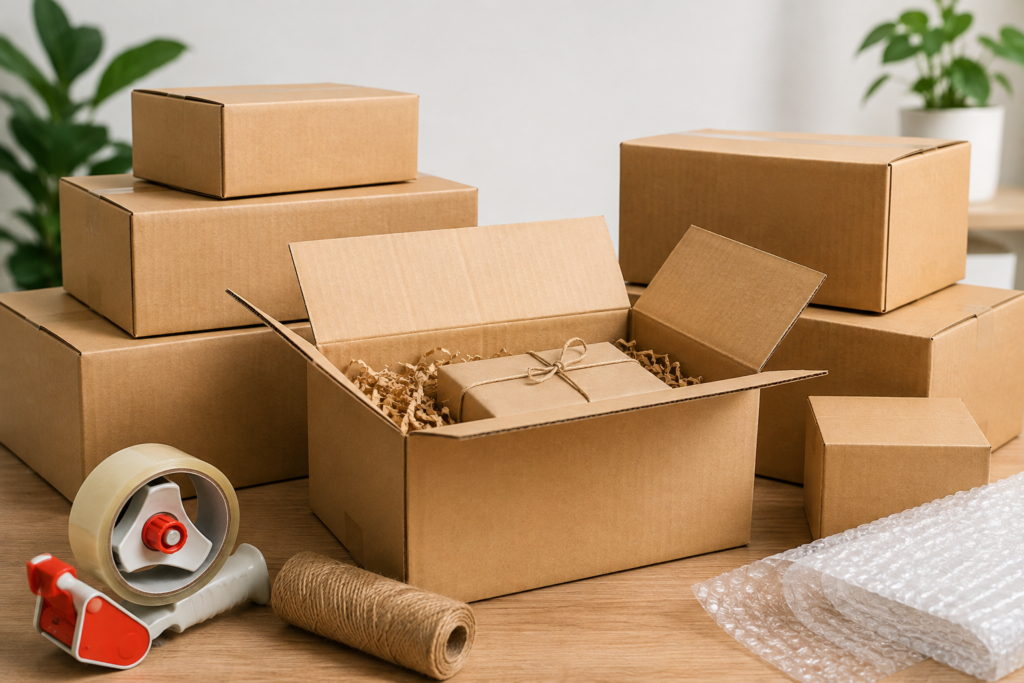
Use courier bags for suitable lightweight products. Use strong boxes for items that need more protection.
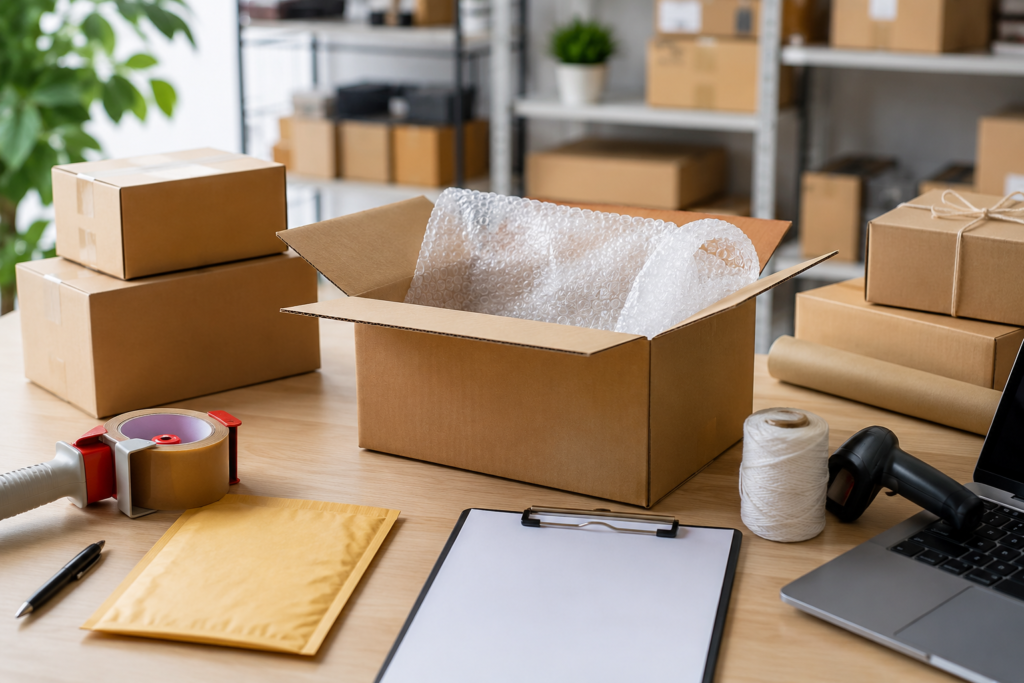
Fragile products need extra padding. You can use bubble wrap, paper, air pillows, or other protective materials.
Do not leave too much empty space inside a box. The product may move during delivery.
At the same time, avoid excessive packaging. It can increase your costs and create unnecessary waste.
Best Packaging Supplies for Small Businesses
Select the Correct Package Size
Package size can affect shipping charges.
Some courier companies calculate costs using actual weight and package dimensions.
A large box may cost more even when the product is light.
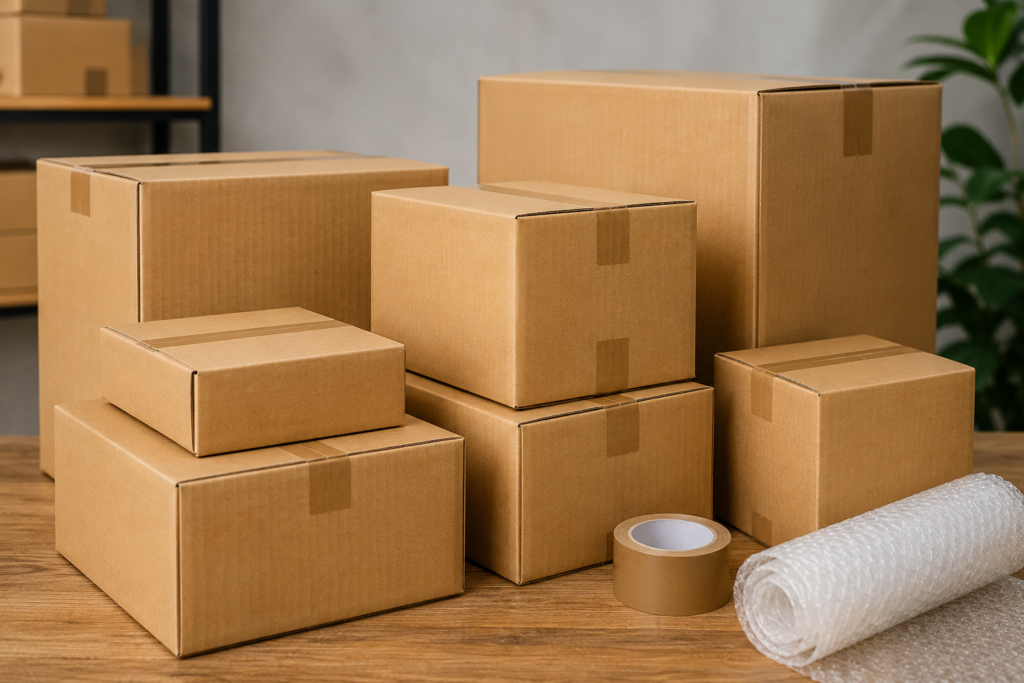
Choose a box that fits your product properly. Leave enough room for protection when needed.
Keep different box sizes in your storage area. This can help you pack orders quickly.
A smart packaging system can make this complete shipping guide for online business easier to follow.
Check Every Order Before Dispatch
Always check the product before packing it.
Make sure you have selected the correct item. Check the size, color, model, or quantity if applicable.
Also check for visible damage.
Then compare the product with the customer’s order.
This simple check can prevent wrong-product complaints and unnecessary returns.
For expensive products, you can keep a packing record or photograph the item before sealing the package.
How to Package Products for Shipping: A Complete Guide for Safe Delivery
Create an Accurate Shipping Label
The shipping label tells the courier where to deliver the package.
It should contain accurate information.
Check the customer’s:
- Name.
- Complete address.
- Postal code.
- Phone number.
- Order details.
- Tracking information.
Read the label before attaching it to the parcel.
Even a small address error can delay delivery.
(complete shipping guide for online business)
Give Customers Tracking Information
Customers want to know what happens after they place an order.
Send the tracking number after dispatch.
Customers can use it to check their package status.
You can share tracking details through email, SMS, or your online store.
Regular updates can reduce customer questions.
(complete shipping guide for online business)
Set Realistic Delivery Times
Never promise a delivery time that you cannot meet.
First, calculate your order processing time. Then consider the courier’s normal delivery period.
For example, you may need one or two days to prepare an order. The courier may need three to five days to deliver it.
Give customers a realistic delivery estimate.
It is better to promise a reasonable time and deliver early than promise fast delivery and arrive late.
Manage Cash on Delivery
Cash on Delivery, or COD, allows customers to pay when they receive the order.
COD can help online stores reach more buyers. Some customers still prefer paying after delivery.
However, COD can also create challenges.
A customer may refuse the order. They may also not be available when the courier arrives.
This can increase return shipping costs.
You can confirm important COD orders before dispatch. This can reduce unwanted returns.
(complete shipping guide for online business)
Create a Clear Return Policy
Returns are common in online business.
Customers may receive a damaged item. They may receive the wrong product. They may also change their mind.
Your return policy should explain what customers need to do.
Clearly mention the return period. Explain which products qualify for returns.
Also explain who pays the return shipping cost.
Keep the policy short and easy to understand.
A clear return process can prevent confusion and improve customer service.
Reduce Failed Deliveries
Failed deliveries can cost your business money.
A delivery may fail because of an incorrect address. The customer may also refuse the package or remain unavailable.
You can reduce these problems by checking customer information before dispatch.
Confirm the phone number and postal code.
Send delivery updates before the package arrives.
For COD orders, confirm that the customer still wants the product.
These small actions can reduce unnecessary shipping costs.
(complete shipping guide for online business)
International Shipping
International shipping needs extra preparation.
Different countries have different customs rules. You may need invoices and other documents.
Customers may also need to pay customs duties or local taxes.
Before offering international shipping, research the destination country’s rules.
Check whether your product has any restrictions.
You should also calculate international delivery costs carefully. International shipping can cost much more than domestic delivery.
Shipping Insurance
Shipping insurance can provide protection for certain covered losses or damage.
It can be useful for expensive products.
Before purchasing insurance, read the terms carefully.
Check the coverage limit. Also check exclusions and claim requirements.
Do not assume every damaged or lost package will receive compensation.
(complete shipping guide for online business)
Common Shipping Mistakes
Many new sellers make simple shipping mistakes.
Some choose a courier without comparing service quality. Others use weak packaging to save money.
Some sellers also provide incorrect delivery estimates.
Hiding shipping charges until checkout can also hurt customer trust.
Always show important shipping information clearly.
Check the package weight, size, address, and label before dispatch.
A few extra minutes of checking can prevent bigger problems.
Track Your Shipping Performance
You should review your shipping process regularly.
Track your average delivery time. Check your shipping cost per order.
Also monitor failed deliveries, returns, and damaged packages.
If one courier causes frequent delays, consider another option.
If packaging costs are too high, compare suppliers.
Use your shipping data to make better decisions.
(complete shipping guide for online business)
Simple Shipping Process
A simple shipping routine can make your work easier.
Follow this process:
- Receive the order.
- Check payment and customer details.
- Pick the correct product.
- Inspect the product.
- Select suitable packaging.
- Pack the product.
- Check weight and size.
- Create the shipping label.
- Dispatch the package.
- Send tracking details.
- Monitor delivery.
- Handle returns when required.
This routine can help you manage orders with fewer mistakes.
(complete shipping guide for online business)
Final Thoughts
Shipping is an important part of running an online business. It affects your costs, customer satisfaction, and reputation.
You do not need a complicated system to start. Choose a reliable courier. Use suitable packaging. Calculate your delivery costs correctly.
Give customers realistic delivery estimates. Share tracking information after dispatch.
You should also prepare for returns and failed deliveries.
Review your shipping results as your business grows. Find problems and improve your process.(complete shipping guide for online business)
To know more information visit;
Complete Guide to E-Commerce Packaging
Types of Packaging Material: Complete Guide for Businesses (2026)
Corrugated Boxes for E-Commerce Shipping: A Simple Guide for Online Businesses
How to Select the Best Packaging for Your Product: A Complete Guide