Google Plastic-Free Packaging Guide: Easy Tips for Better Packaging
Introduction of Google Plastic-Free Packaging Guide
Plastic packaging is used by many businesses. It keeps products safe during storage and delivery. But plastic waste can harm the environment when people do not dispose of it properly.
Many companies now want to use less plastic. They are looking for simple and practical ways to pack their products. Paper, cardboard, and molded fiber can replace plastic in many situations.
Google has also worked to reduce plastic in its product packaging. Its packaging design guide shares useful lessons from this work. Businesses can learn from these ideas and improve their own packaging.
This article explains Google’s plastic-free packaging approach in simple words. It also shows how businesses can use these ideas in their daily work. Google Plastic-Free Packaging Guide
What Is Google’s Plastic-Free Packaging Guide?
Google’s plastic-free packaging guide explains how to design product packaging with less plastic. It encourages businesses to look at every part of a package and find better material choices.
In 2024, Google announced that its Pixel, Nest, and Fitbit hardware packaging had become plastic-free. The company also shared its packaging design guide to help other businesses learn from its experience.
The main idea is simple. A package should protect the product without using extra materials that serve little purpose.
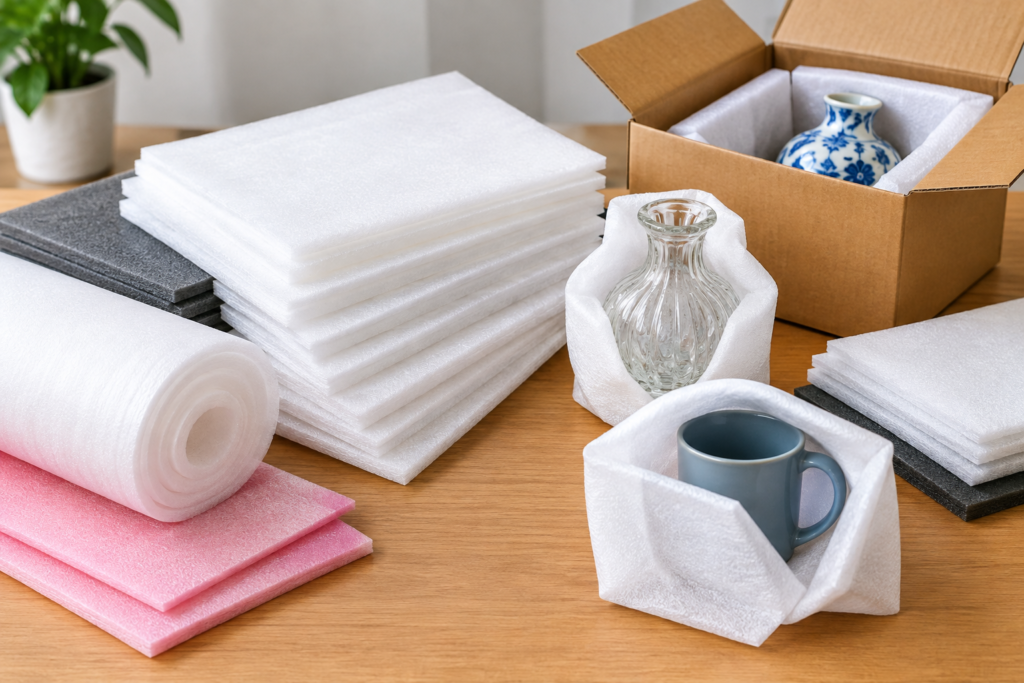
For example, a company may use a plastic tray inside a cardboard box. It could explore a molded fiber tray instead. This change may reduce plastic use while keeping the product secure.
However, every product has different needs. Businesses should test new materials before using them for all their orders. Google Plastic-Free Packaging Guide
Why Is Plastic-Free Packaging Important?
Plastic packaging can create problems when it becomes waste. Some plastic items are difficult to recycle. Others may not be accepted by local recycling services.
Using less plastic can help businesses reduce unnecessary packaging waste. It can also make packages easier to open and sort after use.
Here are some important benefits.
Less plastic waste: Businesses can remove plastic parts that they do not really need.
Easy disposal: Simple paper and cardboard packaging may be easier for customers to sort. Local recycling rules still apply.
Better use of materials: Companies can choose packaging that fits their products. This can reduce extra layers and empty space.
A better customer experience: Packages with fewer parts are often easier to open. Customers may also find them easier to handle.
Plastic-free packaging is not always the best choice for every product. Businesses must also consider product safety, cost, transport, and recycling options. Check price on amazon
Four Simple Ideas From Google’s Packaging Approach
1. Choose Paper and Cardboard
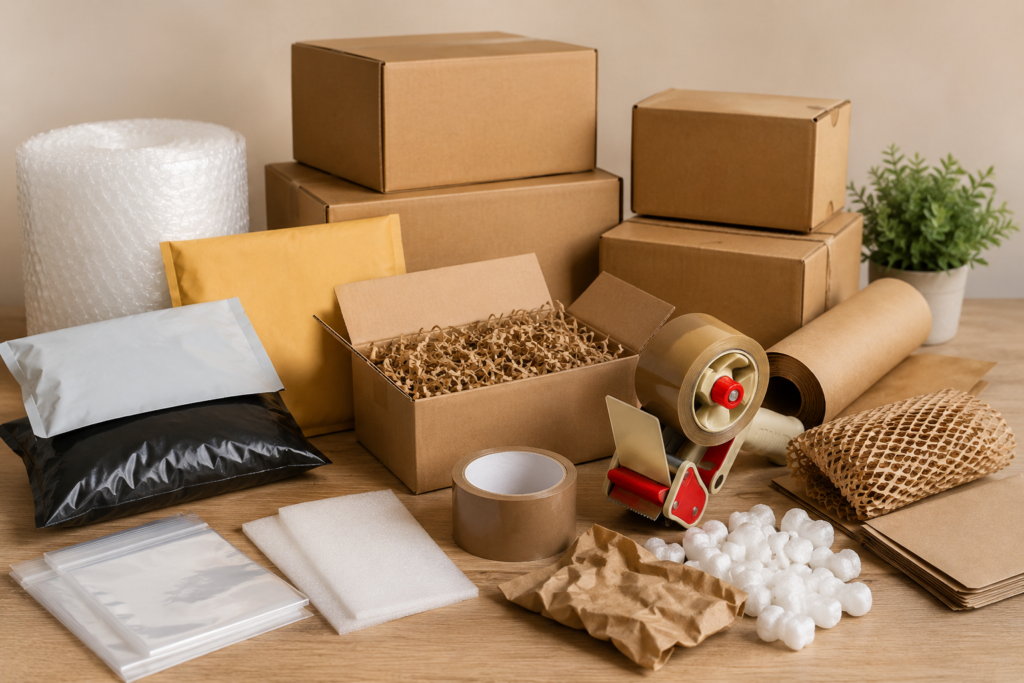
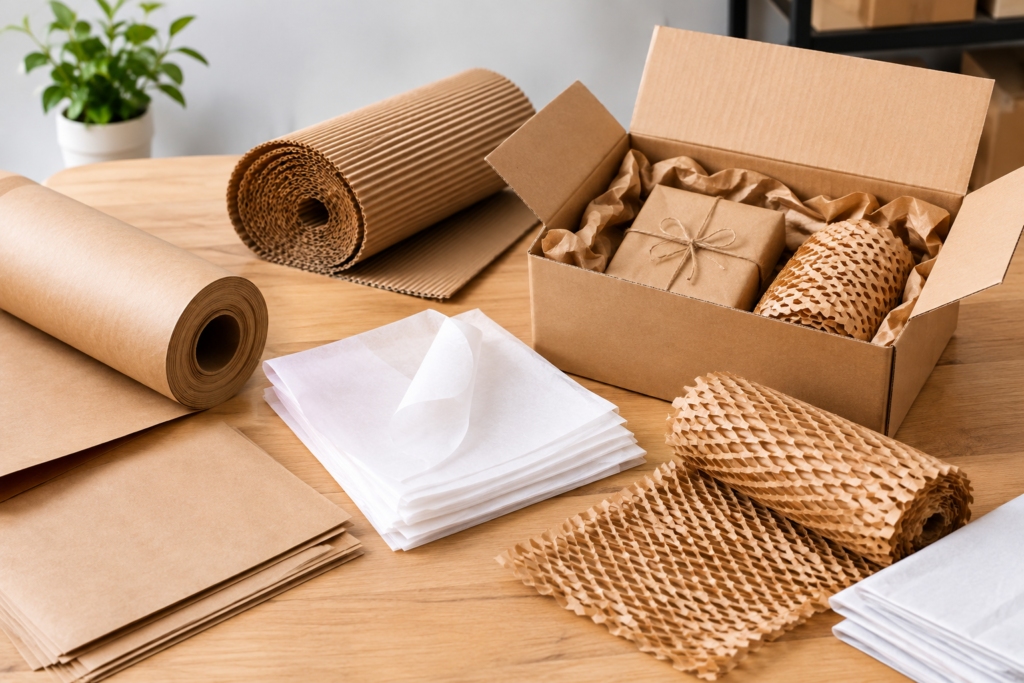
Paper and cardboard can replace plastic in many types of packaging. Corrugated cardboard is useful for shipping boxes. Paper can wrap products or fill small spaces inside a box.
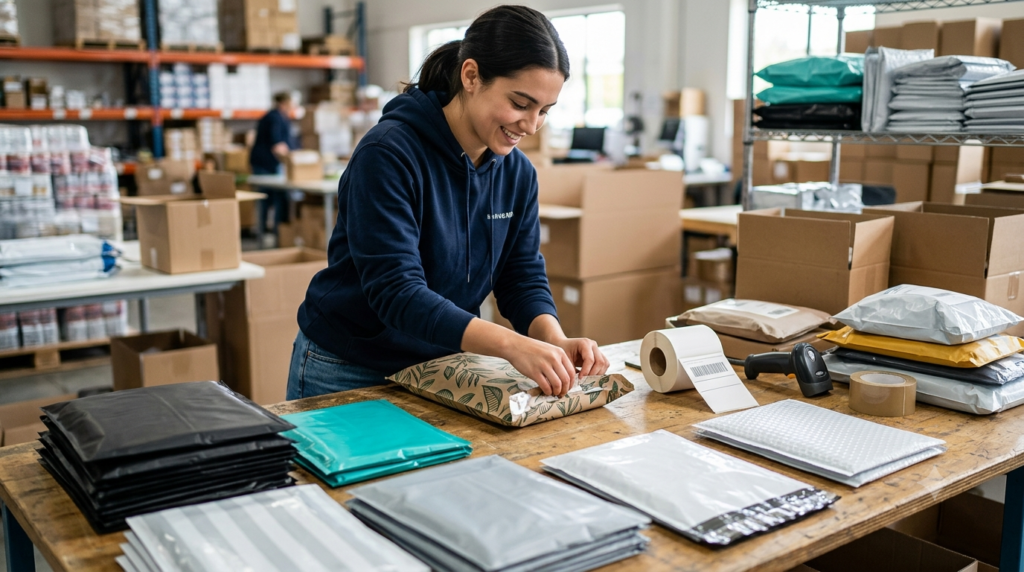
For example, an online store can pack clothing in a suitable paper-based mailer. A business selling home items may use a cardboard box with paper cushioning.
The right material depends on the product. Heavy items need strong packaging. Fragile products need enough support to prevent damage.
Businesses should choose materials that match their products and delivery needs. Google Plastic-Free Packaging Guide
2. Try Molded Fiber Packaging
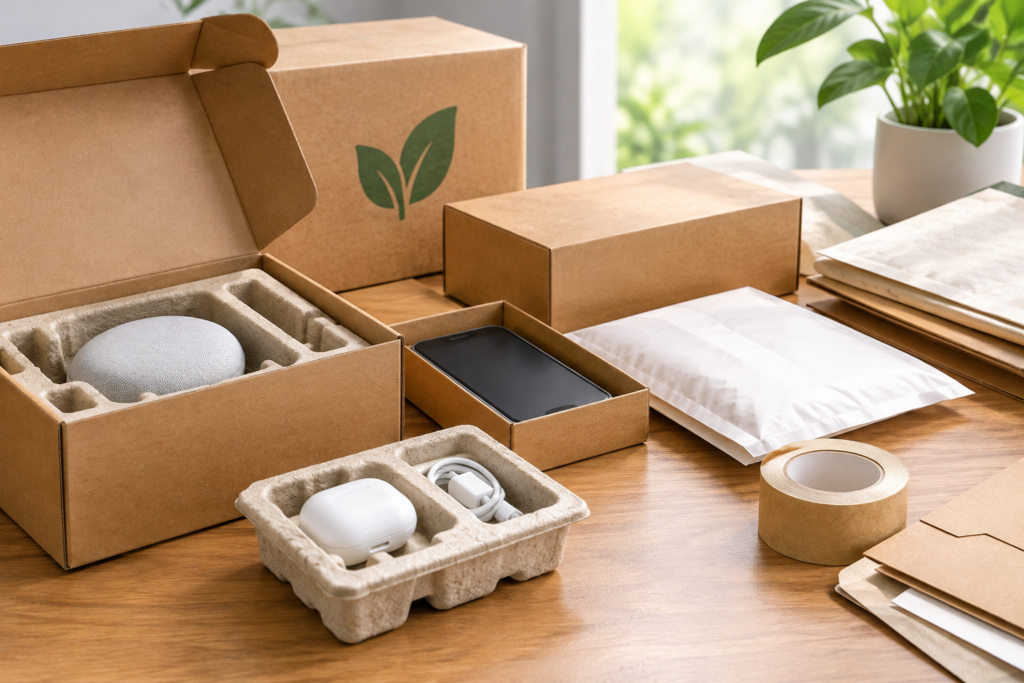
Molded fiber is made from paper-based pulp. Manufacturers shape it to hold products in place. It can replace some plastic trays and inserts.
This material may work well for electronics, accessories, and small household products. It helps stop items from moving inside the box.
Google has shared its use of fiber-based packaging as part of its efforts to reduce plastic. Other companies can explore similar options with their packaging suppliers.
Before choosing molded fiber, test it with the actual product. It should hold the item firmly and provide enough protection during delivery.
3. Remove Unnecessary Packaging
Some products come with too many packaging layers. A box may contain several wraps, extra inserts, and a large amount of filling material.
Businesses should check whether every part is necessary. Removing extra layers can reduce material use and make the package easier to open.
Choosing the right box size is another useful step. A box that fits the product well may need less filling material. It may also take up less space during shipping.
However, the box should not be too small. Leave enough room for suitable protection.
4. Use Suitable Tape and Labels
Tape and labels are small parts of packaging, but they also matter. Some businesses use plastic tape to seal cardboard boxes.
Paper tape may be a suitable alternative for certain packages. Paper-based labels may also help reduce plastic use.
Before changing materials, check their strength. The tape must keep the box closed during transport. Labels must stay attached until the package reaches the customer.
Test these materials before using them for large orders. Google Plastic-Free Packaging Guide
How Can Your Business Start Using Plastic-Free Packaging?
You do not need to change all your packaging at once. Start with a simple review.
First, check your current packaging. Look at the box, wrapping, tape, labels, inserts, and filling material.
Next, find the plastic parts that you may be able to replace. Ask suppliers about cardboard, paper cushioning, molded fiber, and paper tape.
Then make a sample package. Place your product inside and check how well it fits. Test the package under normal shipping conditions.
You should also compare costs. Some materials may cost more than others. But a better box design may reduce extra materials or shipping space.
Finally, check local recycling rules. Do not claim that a package is recyclable unless the materials and local facilities support that claim. Google Plastic-Free Packaging Guide
Common Mistakes to Avoid
Businesses can make a few common mistakes when changing their packaging.
- Replacing plastic without testing the new material.
- Adding too much paper instead of plastic.
- Choosing materials that are difficult to recycle.
- Ignoring the risk of damage during shipping.
- Making environmental claims without checking the facts.
Good packaging should protect the product and use materials wisely. It should also be easy for customers to handle. Google Plastic-Free Packaging Guide
Frequently Asked Questions
What is Google’s plastic-free packaging guide?
It shares lessons from Google’s work to reduce plastic in product packaging. It helps businesses explore different materials and packaging designs.
What materials can replace plastic?
Businesses can consider cardboard, paper, molded fiber, and suitable paper-based tape. The best option depends on the product.
Is plastic-free packaging suitable for every business?
Not always. Some products need special protection from moisture, impact, or other risks. Businesses should test alternatives before making a change.
Conclusion
Google’s plastic-free packaging approach gives businesses useful ideas for reducing plastic waste. Companies can start by choosing suitable materials, removing extra layers, and using boxes that fit their products.
Small changes can make packaging simpler and reduce unnecessary material use. However, product safety must always come first.
Review your current packaging and look for one change you can make today. Test the result before using it for every order. This simple process can help your business move towards more responsible packaging. Google Plastic-Free Packaging Guide
To know more information visit: Best Bubble Wrap Rolls on Amazon India